Rhodes Nature: A Guide to the Island’s Wildlife & Natural Beauty
Beyond the sun-bleached ancient walls and sapphire shorelines lies a greener, wilder side of Rhodes defined by ancient valleys, rare ecosystems, and hidden pathways.
Most travelers arrive on the island with visions of medieval battlements and sprawling coastal resorts. While these elements are foundational to the identity of the Dodecanese, a step away from the coast reveals that Rhodes nature is remarkably diverse, defined by dramatic microclimates, forested peaks, and wetlands that feel worlds away from the dry Mediterranean shoreline. The island interior moves at a completely different pace, where ancient pine forests trap the morning moisture and limestone ridges provide a sanctuary for species found nowhere else on earth. Understanding this landscape requires looking beyond the familiar sands and tuning into the rhythmic, seasonal life of the hills.
Rhodes Nature: Wildlife, Forests and Hidden Natural Wonders
The emerald heart of the island serves as a vital ecological crossroads between Europe and Asia. This unique geographic positioning has blessed the landscape with an abundance of flora and fauna, making the interior an essential journey for anyone looking to experience the true destination layout. A journey into the island center reveals how the wild topography shapes the quiet character of the hidden gems of Rhodes, where nature and local life remain undisturbed.
Meet the Dama Dama Deer
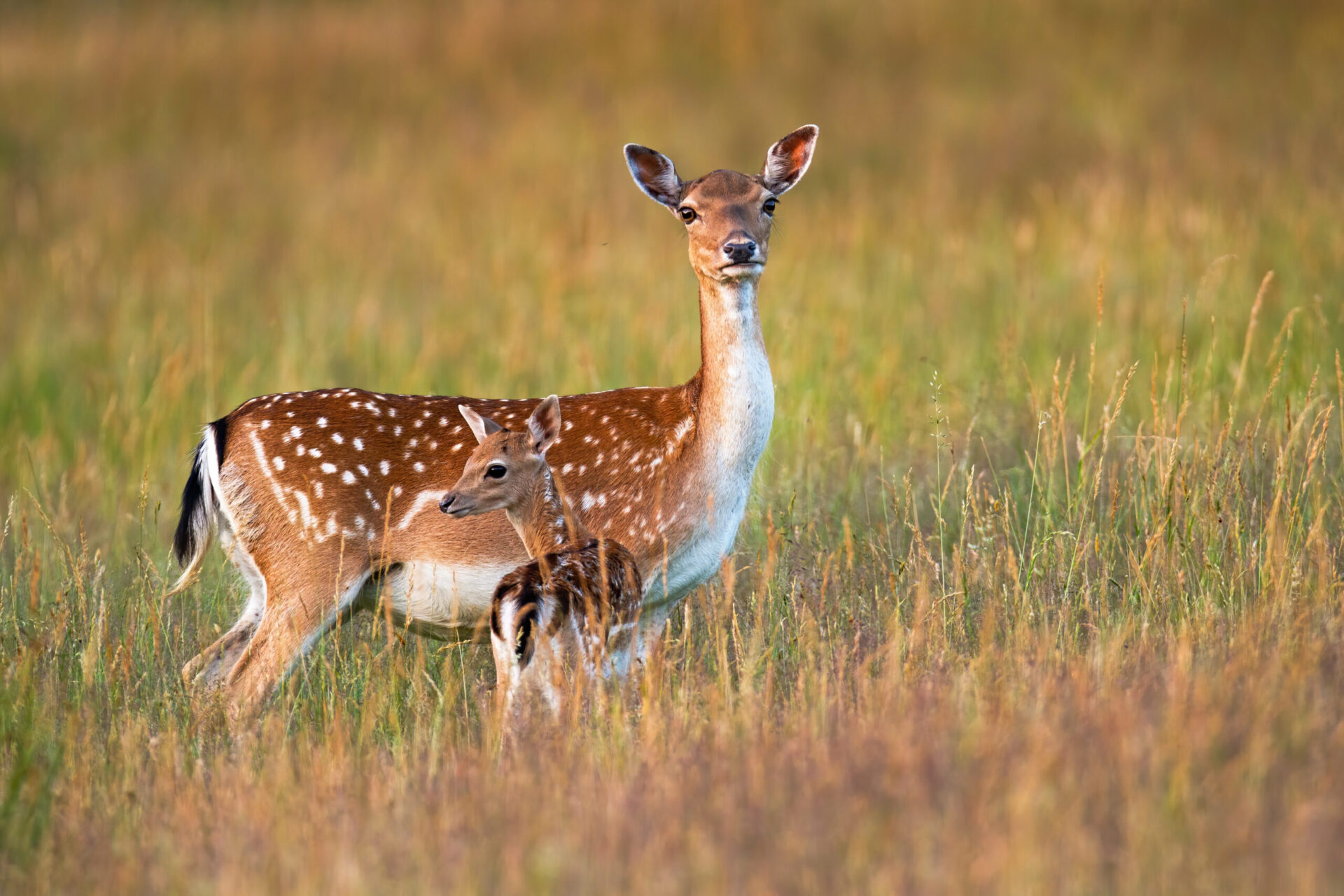
Deep within the dense oak and pine forests of the central highlands lives the most celebrated resident of the island, the dama dama deer. As a living symbol of Rhodes, these elegant, white-spotted creatures have captured the local imagination for centuries, immortalized in the bronze statues that proudly guard the entrance to Mandraki Harbor. These waterfront monuments do more than mark a scenic viewpoint; they serve as silent custodians of the island’s oral history, standing as a physical prelude to the broader Greek stories from Rhodes that chroniclers and locals have passed down through generations.
Local consensus remains divided on their exact origin, with some tales tracing their arrival back to the Crusaders, while biological evidence points to an even older lineage dating back to ancient times. Today, they are a protected species, acting as a barometer for the health of the island wilderness. Spotting them in the wild requires patience and an early start, as they prefer the quiet dawn hours to graze in the shaded clearings before retreating into the deep brush as the midday sun rises.
The Seasonal Wonder of the Butterfly Valley
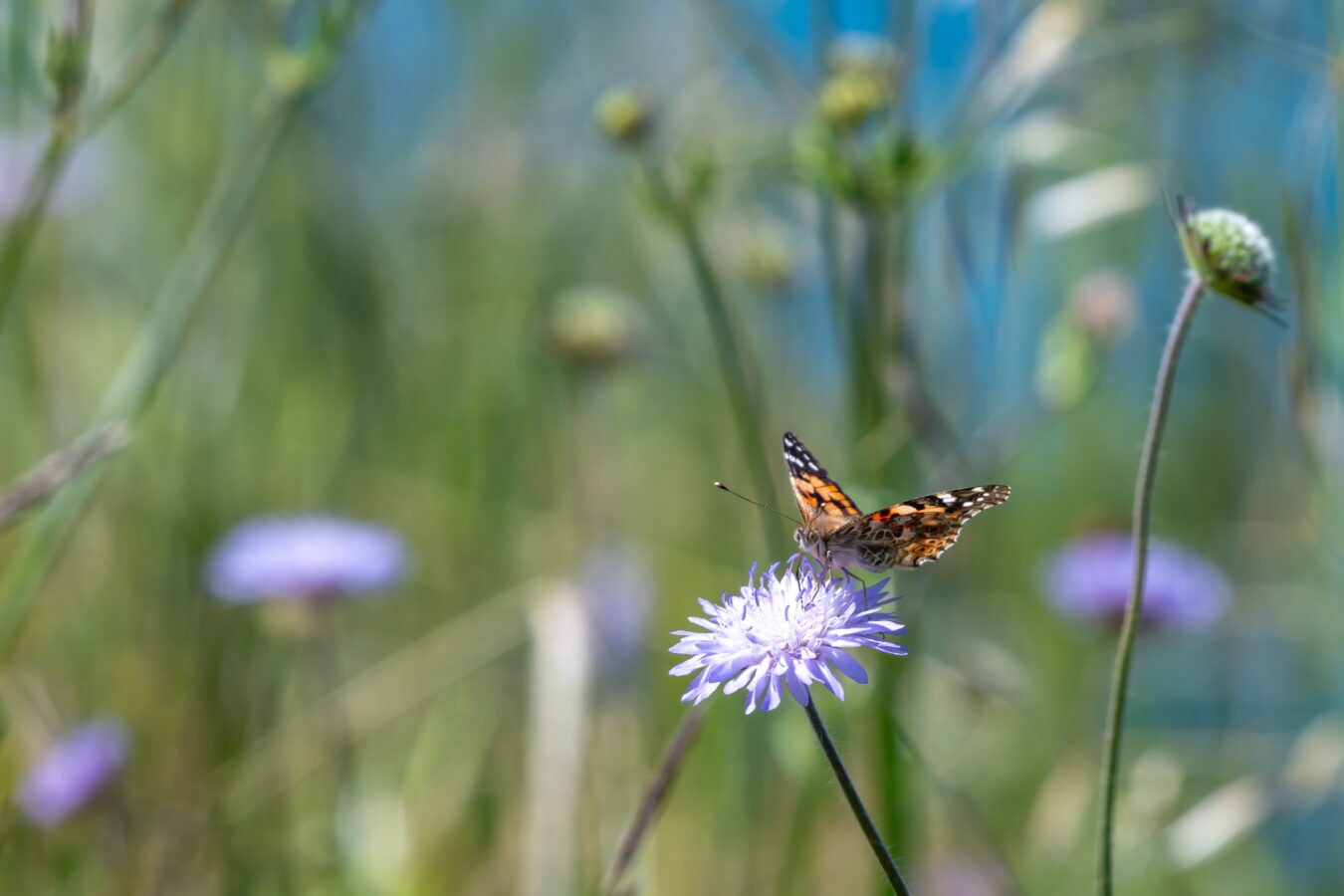
On the western slopes of the island, the landscape softens into a narrow, stone-carved gorge known locally as Petaloudes. This unique biotope, often called the Valley of Butterflies or butterfly forest in Rhodes, is home to a spectacular natural phenomenon centered around the Panaxia Quadripunctaria, commonly known as the Jersey Tiger Moth. Attracted by the intense, vanilla-like aroma of the oriental sweet-gum trees, millions of these winged creatures migrate to the valley at the end of spring, carpeting the rocks, tree trunks, and leaves in a dramatic display of green, black, and orange.
Experiencing this fragile ecosystem demands a mindful approach. The moths gather here to rest and conserve energy for their autumn reproduction cycle, meaning loud noises or sudden movements can disrupt their lifespan. Walking silently along the wooden boardwalks, listening to the gentle rush of the Pelekanos river, and observing them undisturbed provides a genuinely atmospheric encounter that highlights the true behavioral depth of the local environment. The valley operates strictly as a seasonal reserve, with the peak viewing window limited from June through September.
Deep Inside the Wildlife of Rhodes
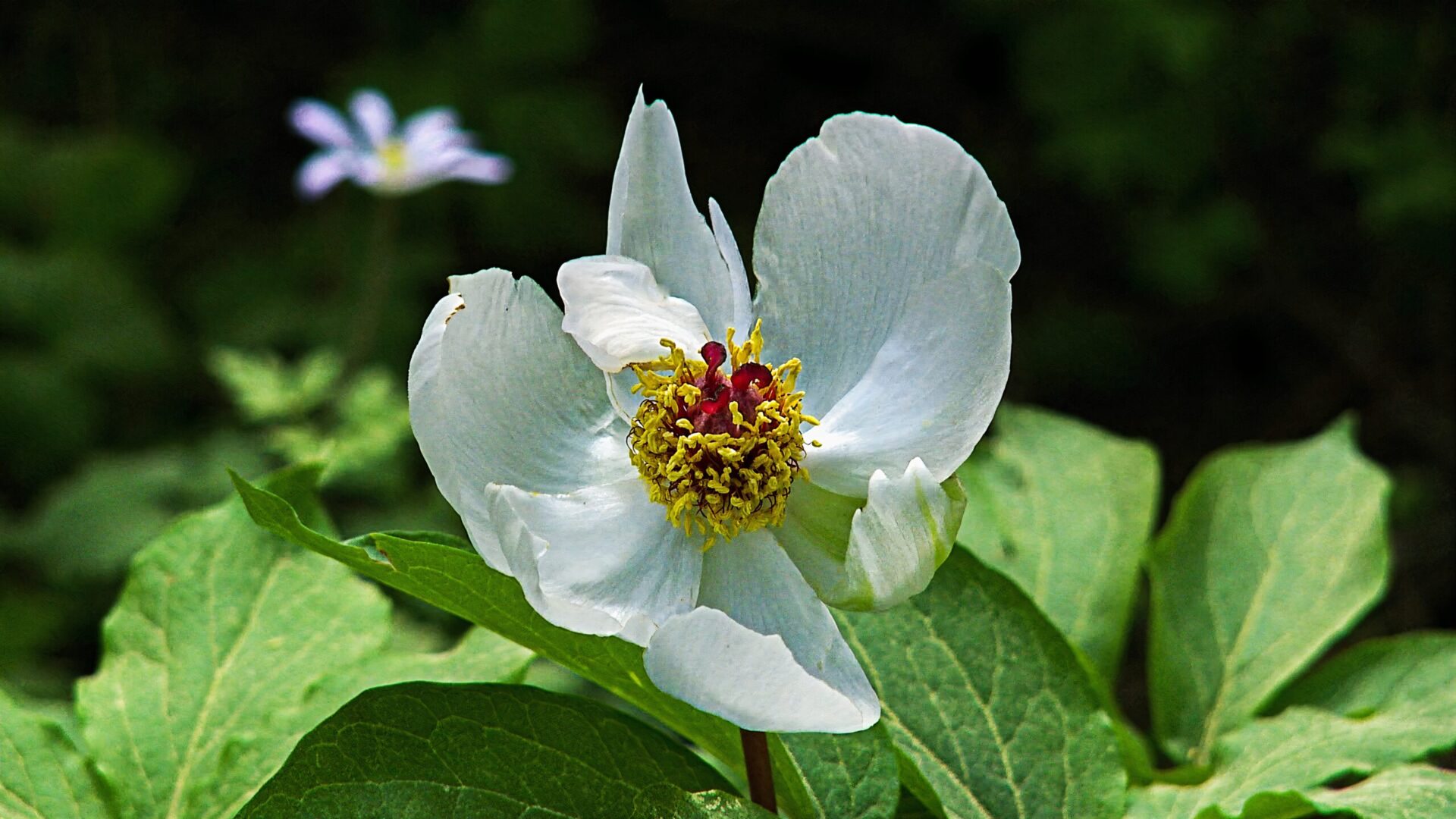
Beyond the headline species, the wider wildlife of Rhodes thrives in the distinct altitude zones across the island. The high ridges of Mount Profitis Ilias act as an open-air conservatory, where the steep limestone faces shield rare endemic plants, such as the Paeonia rhodia, a delicate wild peony that blooms under the shade of ancient cypress trees. These pine-forested slopes slope down toward the agricultural heartland, where traveling between the traditional villages of Rhodes offers a glimpse into a lifestyle dictated by the seasons.
The avian world also finds a vital sanctuary here. Positioned squarely on the major migratory flyways, the coastal wetlands and inland lakes become temporary homes for herons, falcons, and rare warblers moving between continents. Down on the forest floor, the interaction between flora and fauna continues seamlessly. The preservation of these high-altitude pine forests is vital for the island bees, whose role in the local ecosystem is beautifully detailed in our look at the heritage of Rhodes honey.
Navigating the Inland Wilderness
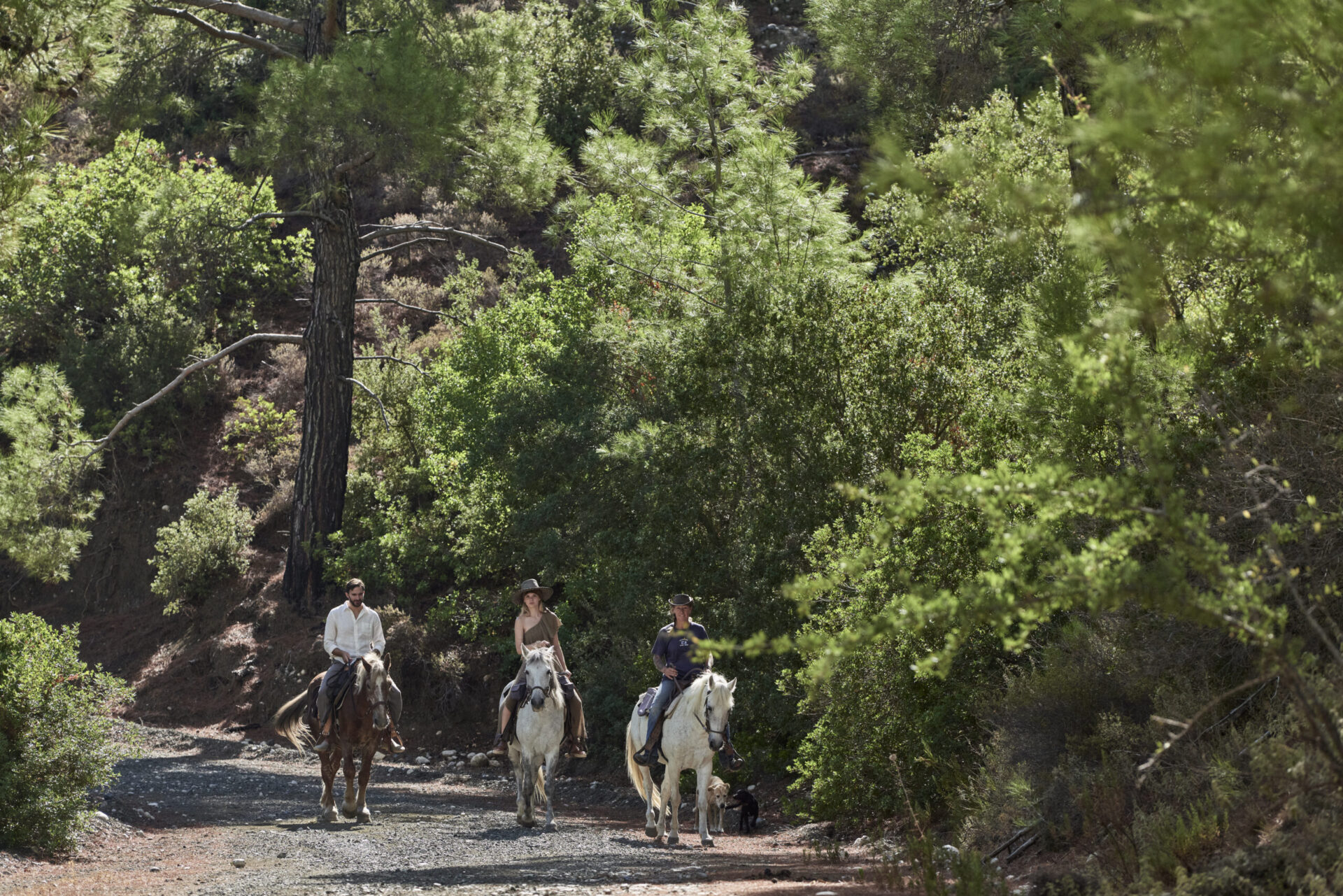
To experience these inland wonders responsibly, travelers should prepare for a completely different environment than the coast. Temperatures in the mountains can be significantly cooler, and the terrain requires sturdy footwear and careful navigation. For those who wish to experience these microclimates on foot, the shaded paths complement the more challenging routes found in our guide to hiking in Rhodes.
| To Experience… | Ideal Destination | Optimal Season |
| Rare Fauna and Island Symbolism | Central Pine Forests & Mandraki | Year-round observation |
| Microclimates and Unique Moth Species | The Valley of the Butterflies | June through September |
| High Altitude Flora and Birdwatching | Mount Profitis Ilias | Spring and Autumn months |
| Shaded Natural Springs and Stepping Stones | Seven Springs (Epta Piges) | May through October |
By trading the beach for the forest trail, even for a single afternoon, you unlock a side of the island that feels ancient, grounded, and beautifully enduring.