Honey of Rhodes: Local Flavours, Beekeeping & the Bee Museum
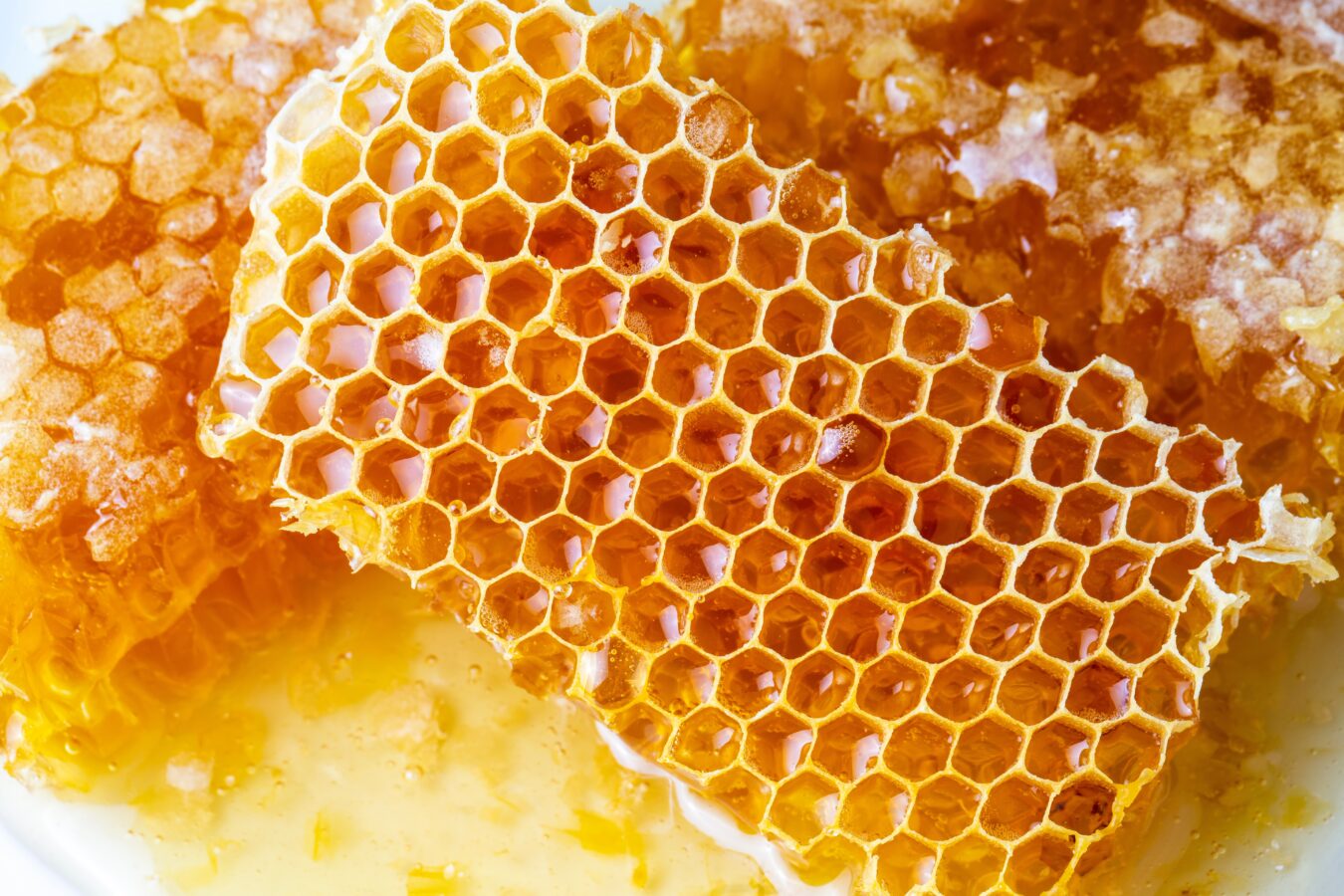
From thyme-scented hillsides and pine forests to centuries of beekeeping tradition, the honey of Rhodes captures the island’s landscape in its sweetest form.
Honey of Rhodes: Local Flavours, Beekeeping & the Bee Museum
Before you taste the honey of Rhodes, you can almost sense the landscape that creates it. The island’s pine forests, thyme-covered hillsides, wild herbs, heather, and seasonal flowers all contribute to a natural environment where bees thrive. Every jar carries something of the place itself, shaped by sunshine, biodiversity, and the quiet traditions of local beekeeping.
For travellers, Rhodian honey is more than a delicious local product. It is a way to understand the island through flavour. It connects the countryside with the table, the work of beekeepers with the rhythm of the seasons, and the island’s natural beauty with one of its most authentic culinary treasures.
Why the Honey of Rhodes Is So Distinctive
The character of the honey of Rhodes begins with the island’s varied landscape. Rhodes enjoys a long flowering season, with different plants blooming across its hills, valleys, forests, and inland routes throughout the year. This gives bees access to a wide range of nectar and honeydew sources, allowing local honey to reflect the diversity of the island itself.
Thyme is one of the most recognisable plants associated with Greek honey, prized for the aromatic character it lends to the final product. Pine also plays an important role, particularly in forested areas where bees collect honeydew rather than floral nectar. Heather, wild herbs, and seasonal wildflowers add further variety, creating honeys that can differ in colour, aroma, texture, and flavour depending on where and when they are produced.
This is why it is more accurate to speak of Rhodian honey as a family of flavours rather than one fixed taste. Some varieties are fragrant and herbal, others are darker and more mellow, while seasonal honeys may carry a more floral profile. Together, they reveal how closely the island’s beekeeping tradition is tied to its natural environment.
Beekeeping as Part of Island Life
Beekeeping has long belonged to the rural identity of Rhodes. Across the island’s inland areas, generations of beekeepers have worked with the natural rhythms of the land, moving carefully through seasons of flowering plants, forest growth, and changing weather.
This tradition is not only about production. It is also about observation, patience, and respect for the landscape. Beekeepers understand which areas offer thyme, where pine forests support honeydew production, and when different plants begin to bloom. Their knowledge helps preserve a connection between local communities and the countryside that surrounds them.
For visitors interested in experiencing Rhodes beyond its beaches and historic landmarks, honey offers a simple but meaningful entry point into this quieter side of the island.
Visiting the Bee Museum Near Pastida
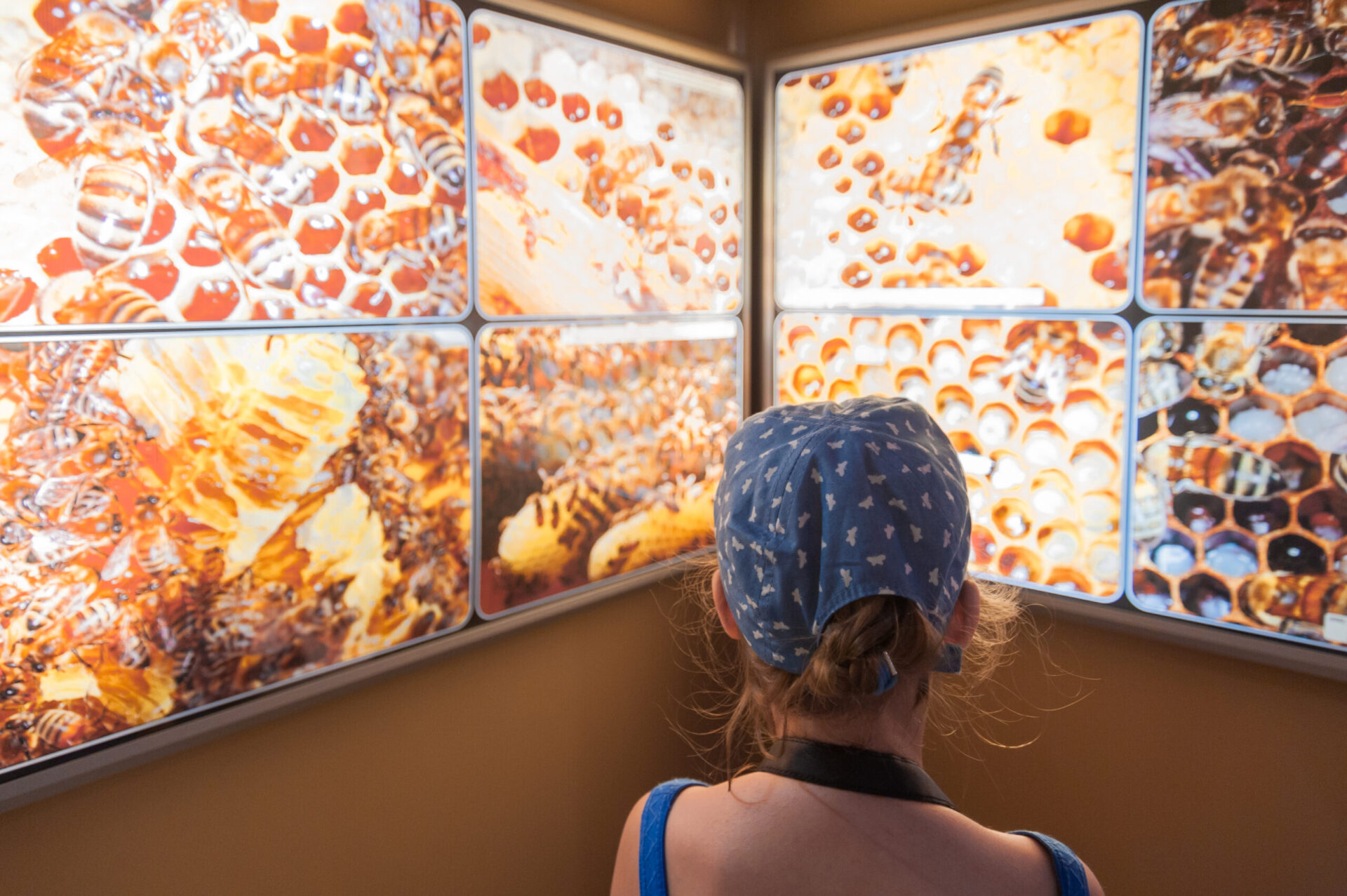
One of the most interesting places to learn about this tradition is the Bee Museum, located near the village of Pastida. It offers a fascinating introduction to the world of bees, the history of beekeeping in Rhodes, and the journey from flower to hive.
The museum experience helps visitors understand how honey is produced and why bees are so essential to the natural environment. Transparent observation hives offer a rare chance to watch bees at work, while the exhibits explore not only honey, but also beeswax, pollen, propolis, and royal jelly.
The Bee Garden adds another layer to the visit. Here, guests can see some of the herbs and flowering plants connected to the Rhodian landscape, making the relationship between bees, flora, and honey much easier to appreciate. It is a particularly rewarding stop for families, food lovers, and anyone curious about the island’s agricultural traditions.
A visit to the museum can also be combined with a drive through the island’s interior, where villages, forests, and cultivated landscapes reveal a Rhodes that many visitors overlook.
Finding the Best Honey Rhodes Has to Offer
Visitors searching for the best honey Rhodes produces will often encounter several different varieties. Thyme honey is among the most sought after, known for its aromatic depth and close association with the Greek landscape. Pine honey is usually darker and less intensely sweet, with a character shaped by the island’s forested areas. Heather honey, where available, offers another distinctive profile linked to seasonal flowering.
The pleasure lies in tasting the differences. A jar from one producer may feel rich and herbal, while another may be more delicate or floral. These variations are part of what makes the honey of Rhodes so interesting. It is not a standardised souvenir, but a local product shaped by place, season, and craft.
Village shops, local producers, delicatessens, and traditional markets are often the best places to look for authentic Rhodian honey. Travellers interested in discovering more local character can also explore Rhodes villages, where regional products, family traditions, and everyday island life remain closely connected.
Honey in Rhodian Cuisine
Honey has a natural place in the island’s culinary culture. It is served with Greek yoghurt, paired with cheeses, used in traditional sweets, and enjoyed as part of a slow breakfast or dessert. Its sweetness also works beautifully in savoury cooking, where it can balance marinades, dressings, and dishes built around local ingredients.
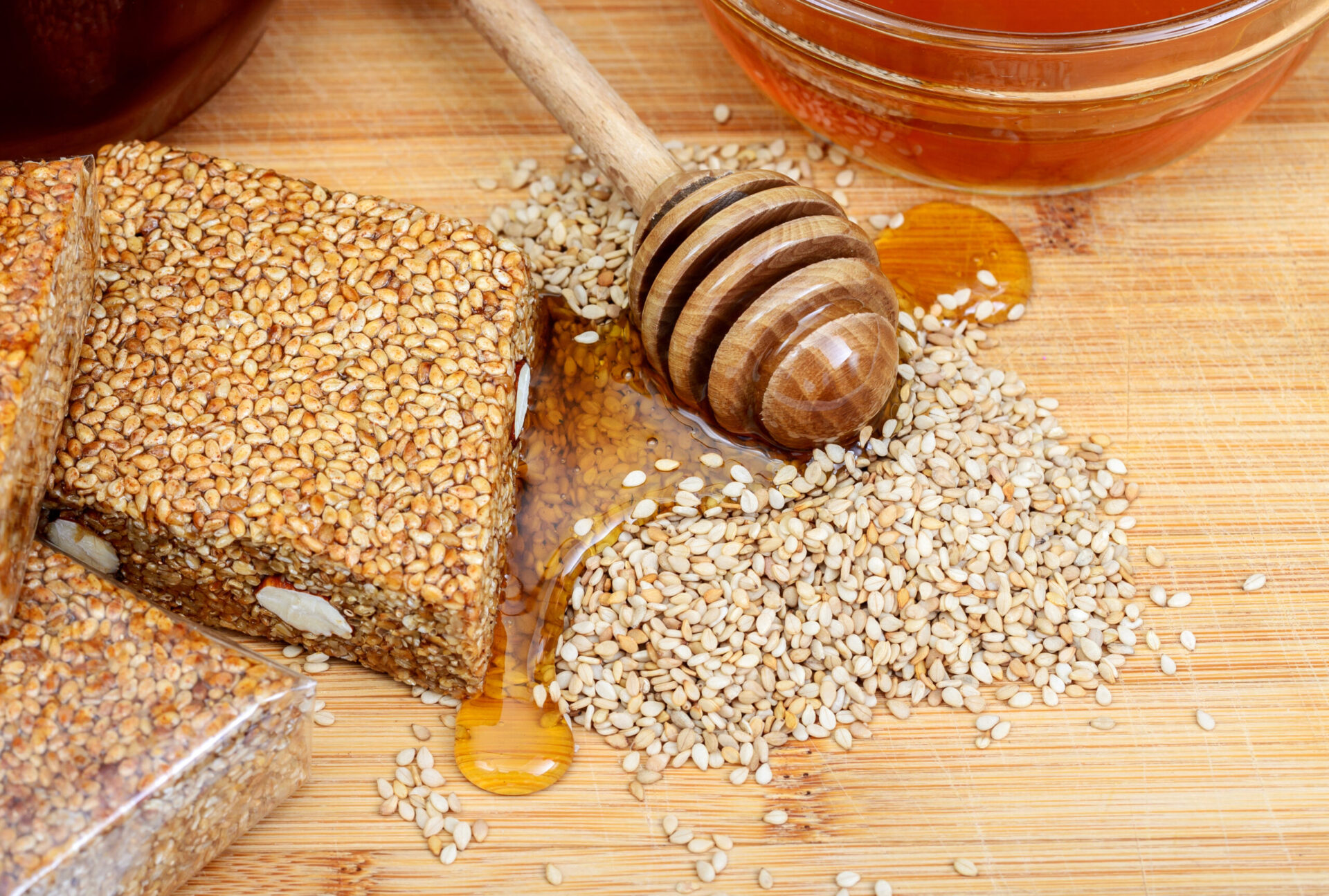
Perhaps the best known example is melekouni, Rhodes’ traditional honey and sesame sweet. Prepared with pure honey, sesame seeds, citrus zest, and aromatic spices, it has been offered at Rhodian weddings for generations as a symbol of prosperity and joy. Today, it remains one of the island’s most beloved local delicacies, enjoyed throughout the year as a wholesome snack and an authentic taste of local tradition.
This is where the honey of Rhodes becomes more than something to take home. It becomes part of the experience of eating on the island. It speaks to the same landscape that produces olive oil, herbs, wine, fruit, and vegetables, creating a direct connection between the countryside and the table.
Taking Home a Taste of Rhodes
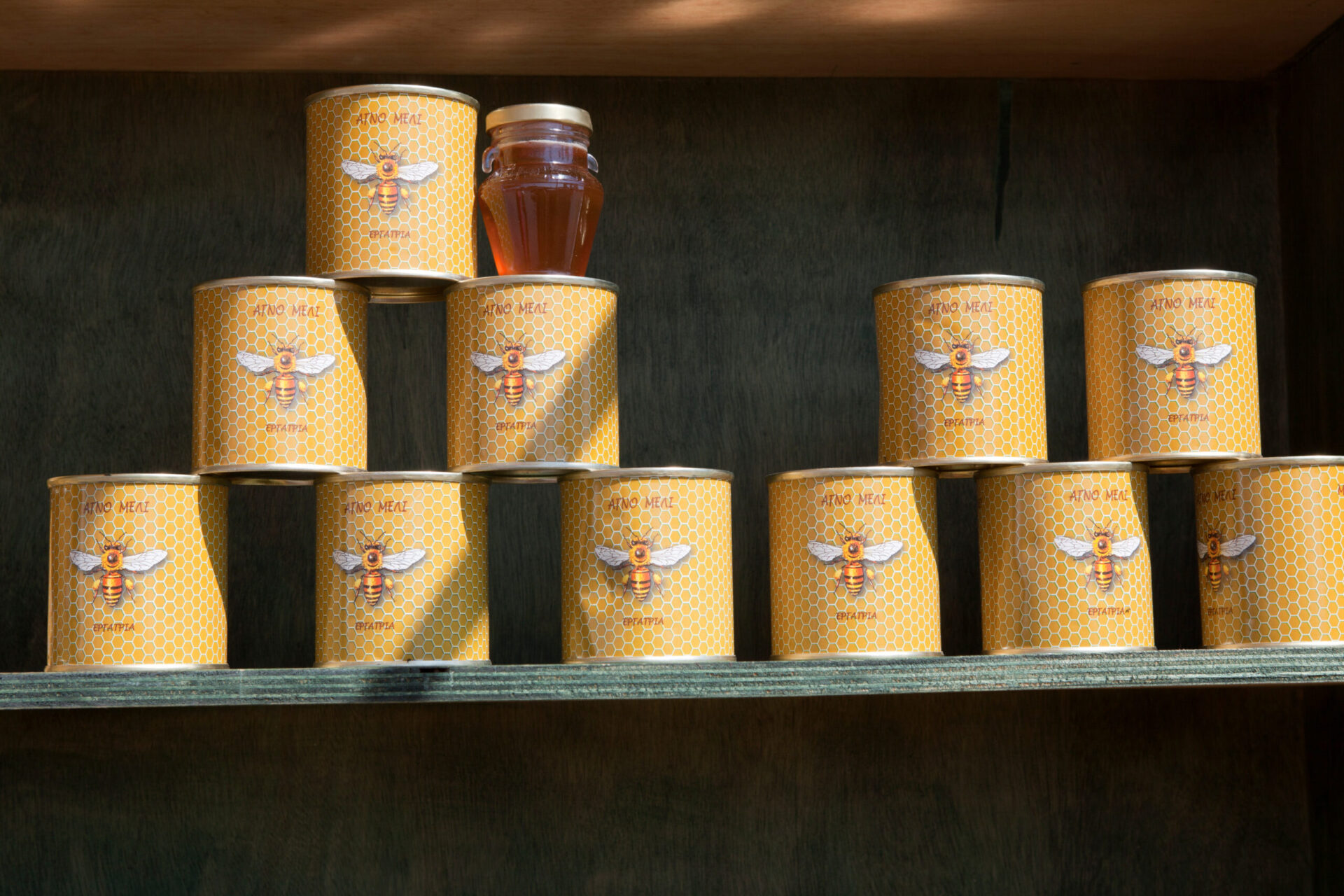
Some souvenirs remind you of where you have been. Others carry the place with them.
The honey of Rhodes belongs to the second category. It reflects the island’s thyme, pine, heather, wild herbs, flowers, forests, and beekeeping knowledge in one simple product. Every spoonful holds a trace of the landscape, the seasons, and the people who continue to care for this tradition.
Across H Hotels Collection, local flavours form an important part of the guest experience. Through regional ingredients and dishes inspired by the island, visitors can enjoy a deeper connection to Rhodes through its gastronomy. For those who want to explore this side of the destination further, Rhodes food & wine offers a rich introduction to the flavours that define the island.
Whether discovered at the Bee Museum, tasted during a meal, or purchased from a local producer, Rhodian honey offers one of the most authentic ways to remember the island. Long after a holiday ends, it remains a sweet reminder of Rhodes, its countryside, and the traditions that continue to shape its identity.