
A Mini Guide to Ancient Athens History

The Origins of Democracy and Culture
The Greek capital is not simply a city with ancient ruins; it is the birthplace of ideas that continue to shape the modern world.
Philosophy, democracy, theatre, and civic life as we know them were all forged here. Understanding ancient Athens history offers far more than historical context; it reveals how deeply the past is woven into the city’s present rhythm.
This essential guide explores the foundations of ancient Athens, its most significant landmarks, and how visitors today can experience the legacy of one of history’s most influential civilisations.
The Foundations of Ancient Athens History
The story of ancient Greek civilization in Athens stretches back over 3,000 years, but its defining period emerged between the 5th and 4th centuries BCE. During this era, often referred to as Classical Athens, the city evolved into the cultural and intellectual heart of the ancient Greek world.
Ancient Athens history is inseparable from the rise of democracy, public debate, and civic responsibility. Unlike other ancient societies ruled by monarchs or elites, Athens developed systems that allowed male citizens to participate directly in governance. This radical concept would later influence political thought across Europe and beyond.
The Acropolis: Symbol of Power, Faith, and Identity
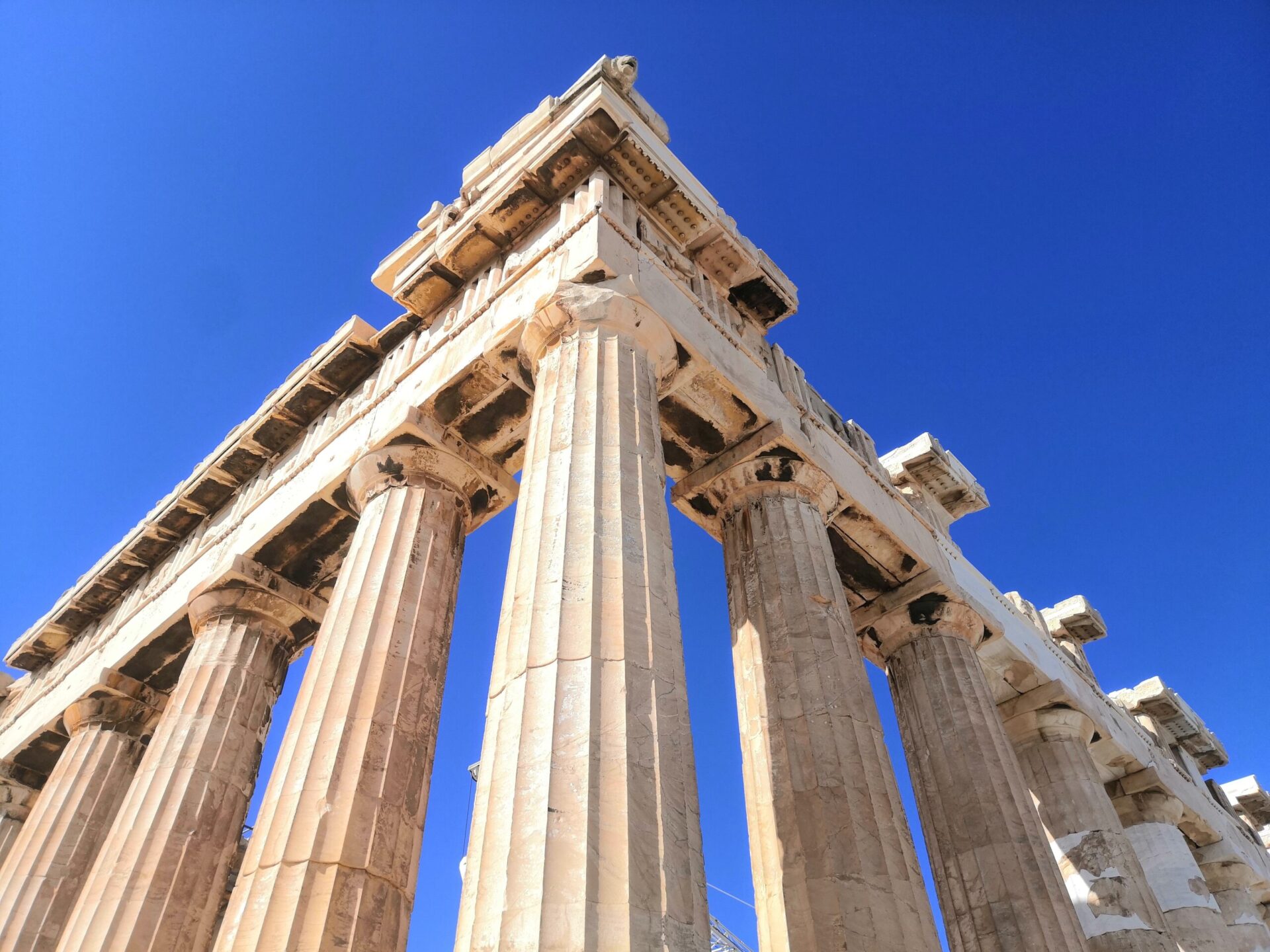
Towering above the city, the Acropolis stands as the most recognisable symbol of ancient Greek civilisation in Athens. Far more than a monument, it functioned as a sacred centre, a place where religion, politics, and identity converged.
At its heart lies the Parthenon, dedicated to Athena, the city’s patron goddess. Exploring Parthenon history reveals a structure designed not only for worship but also as a statement of Athenian power, balance, and civic pride. Every proportion reflects the ancient pursuit of harmony, reason, and perfection.
Walking the Acropolis today offers a powerful sense of continuity. Despite centuries of change, the site remains a focal point of the city, visible from almost every neighbourhood and constantly reminding visitors of Athens’ enduring legacy.
This period also marked extraordinary artistic and architectural achievement, much of which still defines the city’s skyline today.
Life in the Ancient Agora of Athens
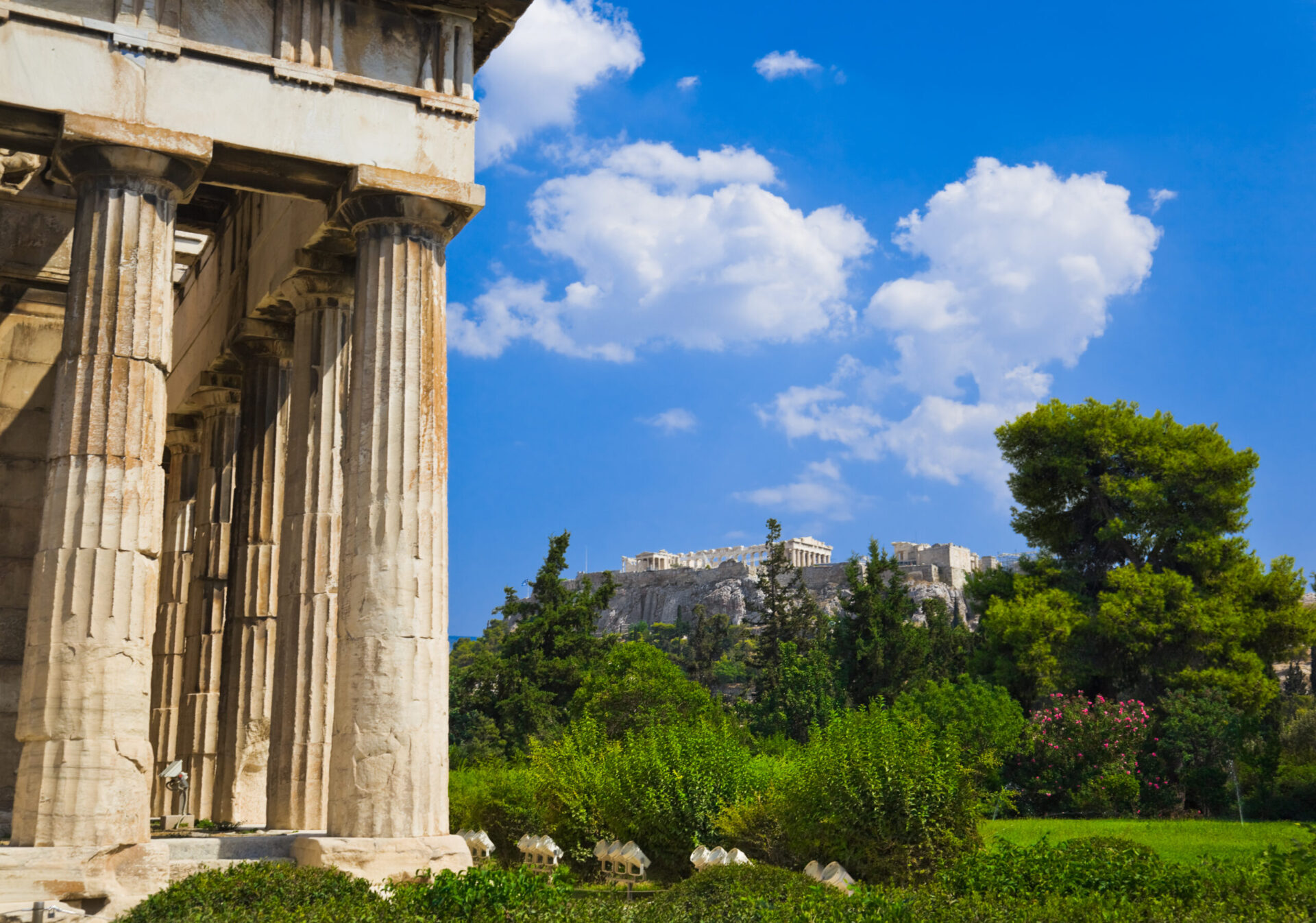
While the Acropolis symbolised divine protection and authority, everyday life unfolded below at the Ancient Agora of Athens. This was the beating heart of ancient Athens, where citizens gathered to debate, trade, socialise, and shape public life.
The ancient Agora of Athens functioned as both marketplace and political arena. Philosophers such as Socrates once walked these grounds, engaging citizens in discussions about ethics, truth, and civic duty. Temples, stoas, and administrative buildings surrounded the open space, reinforcing its role as the centre of public life.
Today, the site offers one of the clearest insights into how ancient Athenians lived, interacted, and governed, making it an essential stop for anyone seeking to understand ancient Greek civilisation in Athens beyond grand monuments.
Classical Athens Landmarks That Defined a Civilisation
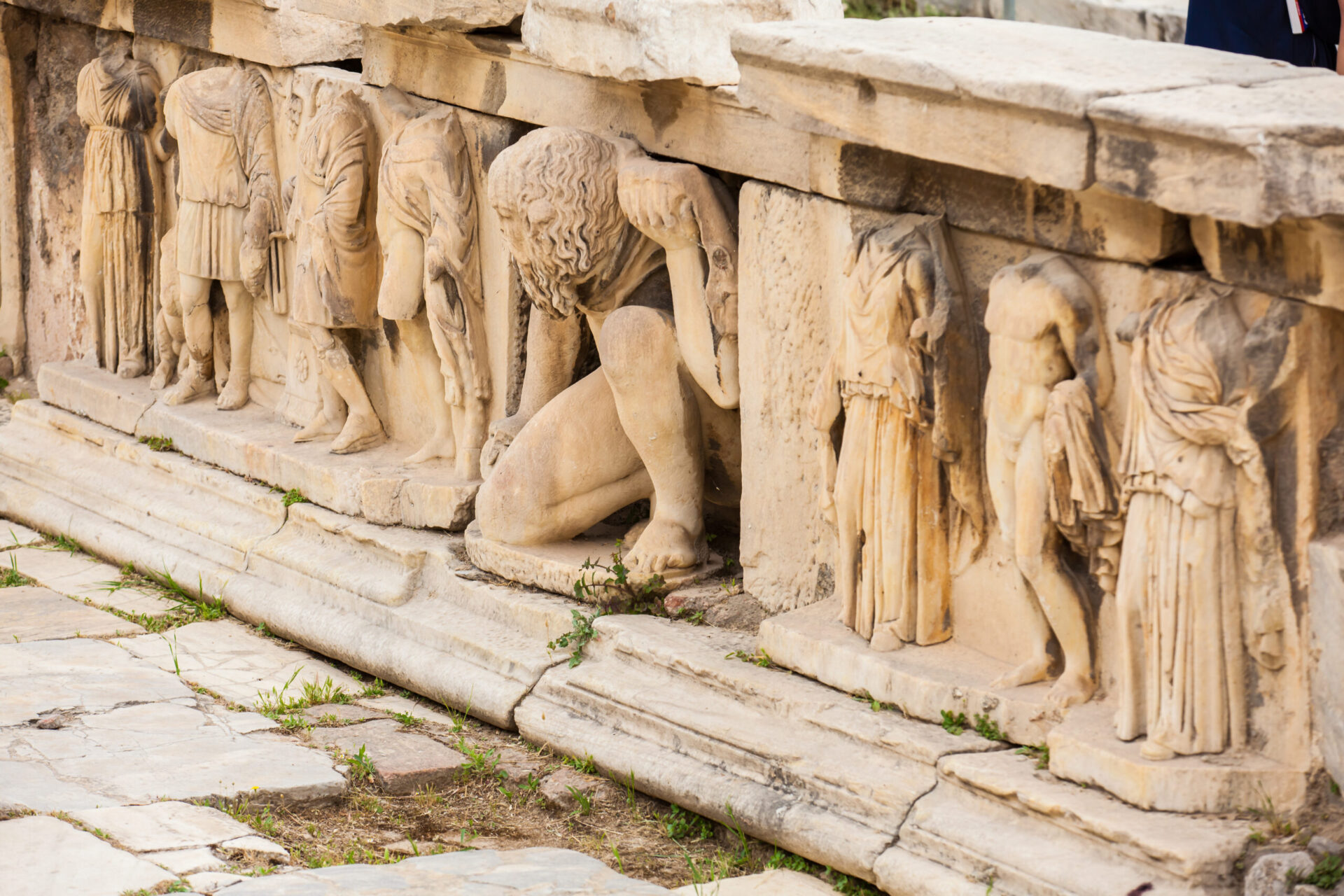
Athens is home to an extraordinary concentration of classical Athens landmarks, each revealing a different aspect of ancient society. The Theatre of Dionysus, located on the slopes of the Acropolis, is considered the birthplace of theatre, where tragedy and comedy were first performed as communal civic experiences.
Nearby, the Temple of Hephaestus remains one of the best-preserved ancient temples in Greece, offering insight into religious practice and architectural mastery. Together, these sites demonstrate how art, faith, and civic life were deeply interconnected in ancient Athens.
For travellers wishing to explore these sites in greater depth, our curated guide to historical sites in Athens provides a broader overview of key landmarks across the city.
Experiencing Ancient Athens Today

What makes Athens exceptional is not just the survival of its monuments, but how seamlessly ancient history coexists with modern life. Ancient stones sit beside contemporary cafés, while pedestrian walkways connect archaeological sites with lively neighbourhoods.
Staying centrally allows visitors to experience this layering of time effortlessly. Positioned between Syntagma and Omonia squares, Titania Hotel Athens offers easy access to many of the city’s most significant ancient sites, including the Acropolis and the ancient Agora. From here, guests can explore Athens on foot, moving naturally between classical landmarks, museums, and modern cultural spaces.
This central location enhances the experience of ancient Athens history, allowing travellers to engage with the past at their own pace while remaining connected to the city’s present energy.
Why Ancient Athens History Still Matters
The legacy of ancient Athens history extends far beyond archaeology. Concepts born here, democracy, public discourse, artistic expression, continue to shape contemporary societies worldwide. Visiting Athens is not simply about observing history; it is about understanding the foundations of modern thought.
Whether standing beneath the Parthenon, walking through the ancient Agora, or tracing the paths of classical philosophers, Athens offers an experience that is both educational and deeply human. It is a city where history is not confined to museums but lived, felt, and continuously rediscovered.