Rhodes or Crete: Which Greek Island Suits Your Holiday?
Here’s How To Decide
Compare coastal scales, medieval charm, and family-friendly rhythms to decide whether Rhodes or Crete fits your next Mediterranean escape.
Sitting at the southern edge of the Aegean, both islands promise abundant sunshine, crystalline waters, and deeply rooted local hospitality. Yet once you arrive, each unfolds at a noticeably different tempo. Deciding between Rhodes or Crete comes down to how you want to spend your days: navigating vast, varied regional landscapes on an extended road trip, or settling into an effortlessly connected island rhythm where medieval heritage, tranquil beaches, and traditional villages sit within easy reach.
Navigating the Aegean: Deciding Between Rhodes or Crete
Choosing the right Greek island begins with understanding scale and geography. While Crete stretches out with continental proportions, mountains, and four distinct prefectures, Rhodes offers a cohesive, sunlit geography where coastal relaxation and layered history blend without multi-hour transit times.
Scale, Landscape, and Pace: Rhodes vs Crete
When evaluating Rhodes vs Crete, the most immediate difference lies in physical size and how that impacts daily logistics.
| Holiday Factor | Rhodes | Crete |
| Island Scale | Cohesive and easy to navigate in one trip | Vast and regional, requiring focused bases |
| Driving & Transit | Short, straightforward coastal routes | Long highway transfers across mountain terrain |
| Cultural Signature | Medieval Knights Hospitaller & Doric antiquity | Minoan palaces & Venetian port architecture |
| Ideal Trip Length | 5 to 10 days for complete island immersion | 10 to 14+ days for multi-region exploration |
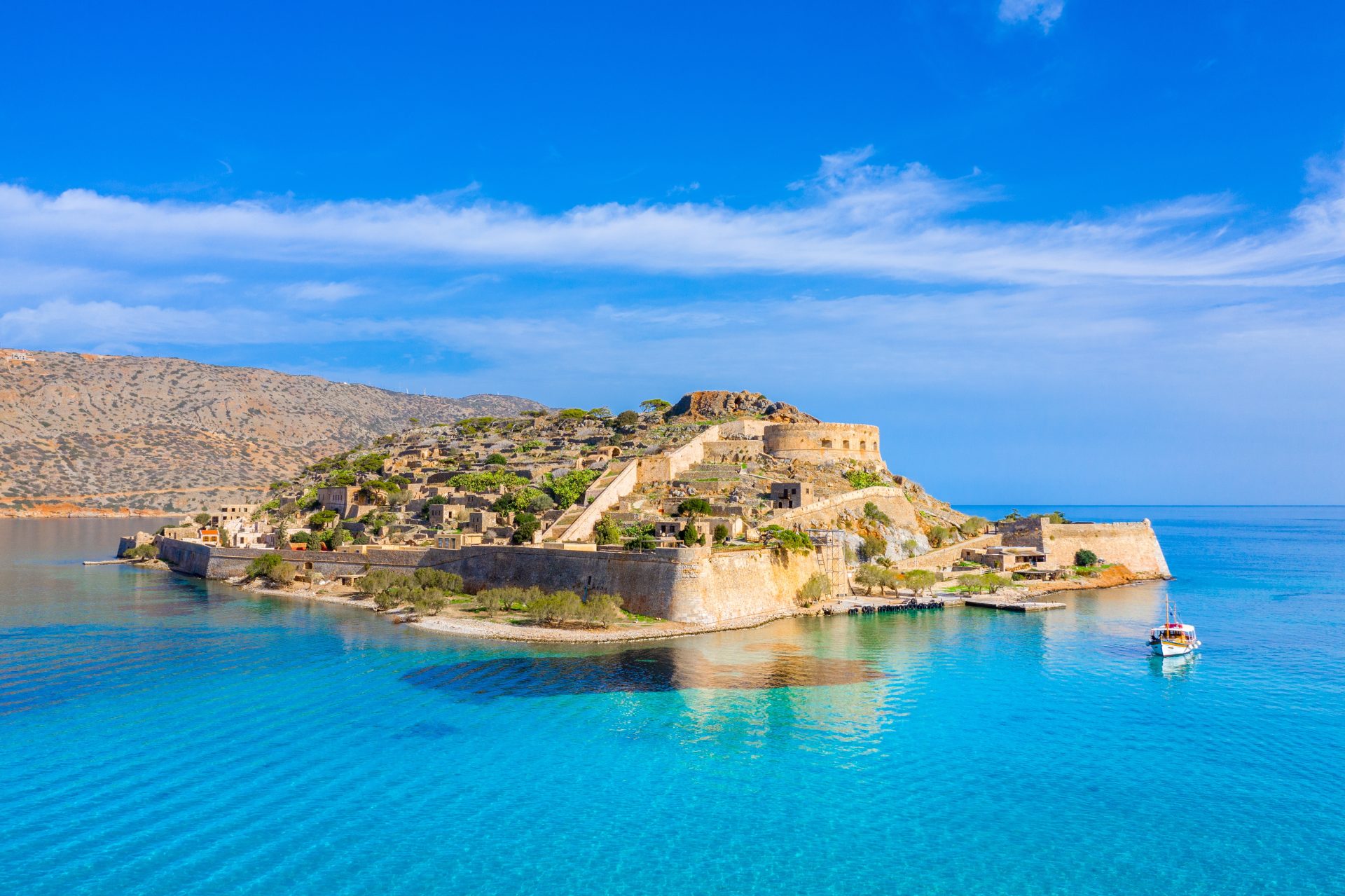
Crete is Greece’s largest island, spanning more than two hundred and fifty kilometres from east to west. Its dramatic terrain encompasses snow-dusted mountain ranges, deep gorges like Samaria, sprawling olive plateaus, the unique Spinalonga fortress islet, and distinct Venetian port towns such as Chania and Rethymno. Experiencing Crete often requires choosing a single regional base or committing to long highway drives across mountain passes.
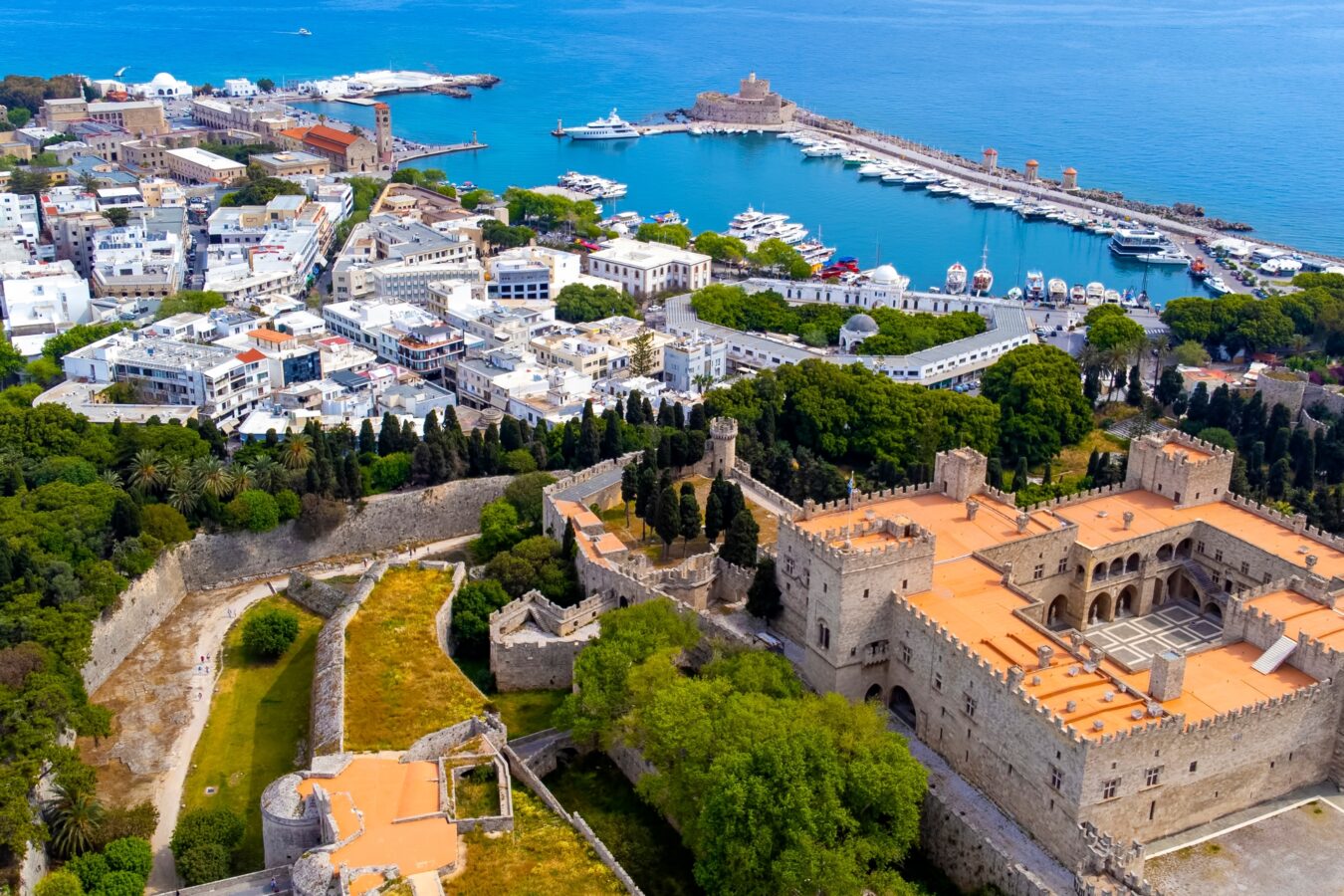
Rhodes is remarkably easy to navigate from tip to tip. Within a single day, you can wander through a UNESCO World Heritage medieval citadel, swim in a sheltered pine-fringed cove, and dine in an inland village square. Because distances remain manageable, taking an unhurried Rhodes road trip allows you to explore contrasting northern and southern coastlines without spending half your holiday behind the wheel.
Rhodes or Crete for Couples: Romance and Atmosphere
For partners weighing Rhodes or Crete for couples, both islands deliver memorable settings shaped by distinctly different moods.
Crete appeals to couples drawn to rugged, untamed escapes and historic port strolling. Evening walks along the Venetian harbour of Chania or quiet stays along the remote southern Libyan Sea coast offer atmospheric seclusion, though reaching quieter coves often involves winding mountain drives. The scale of island discovery in Crete is so vast that even most Cretans have never explored it all, meaning couples planning a visit benefit from a clear vision of their ideal trip and thoughtful itinerary planning.
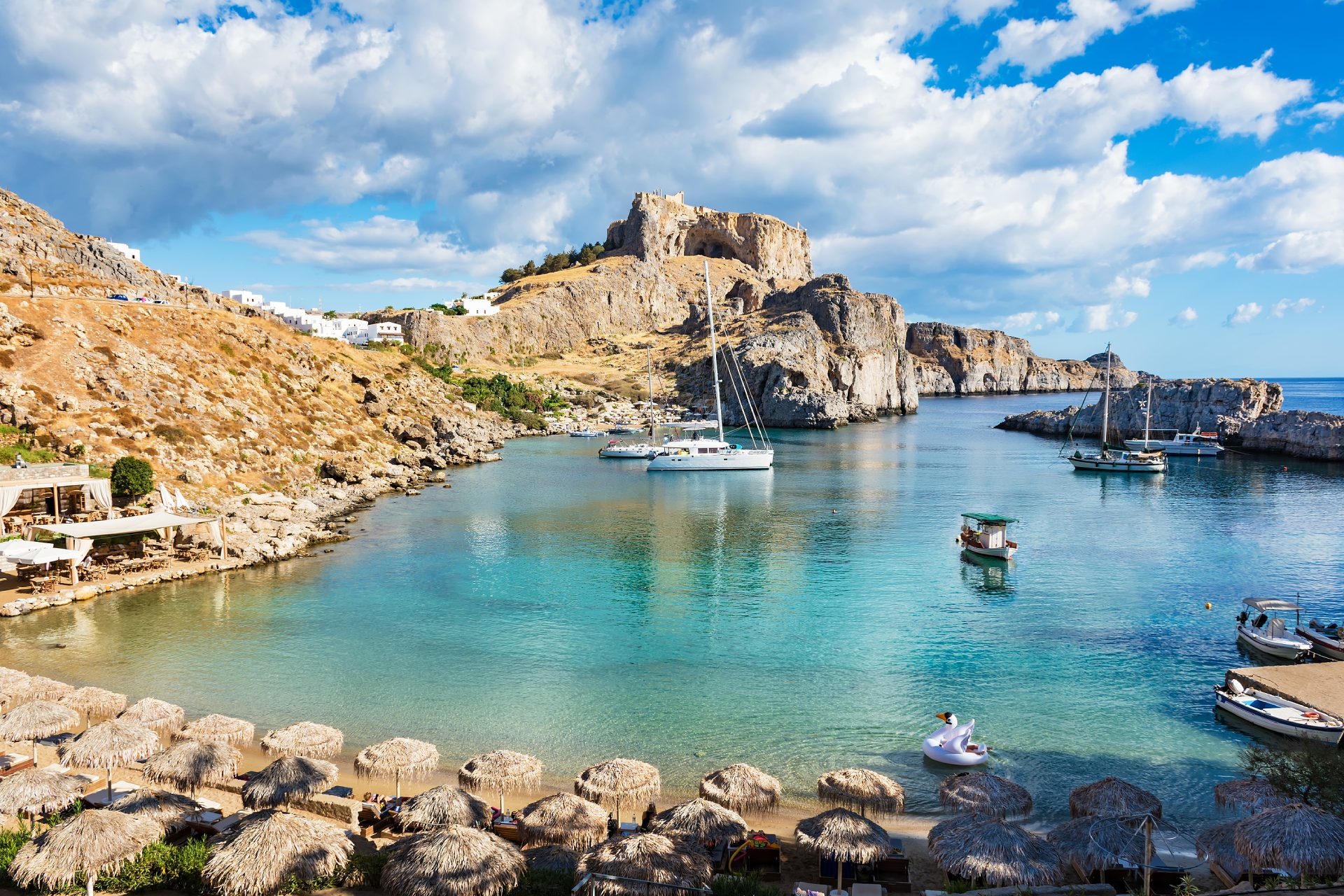
Rhodes cultivates an intimate, sun-drenched romance that pairs historic grandeur with effortless coastal indulgence. In the north, sunset breezes sweep across Ixia just minutes from the lantern-lit stone alleys of Rhodes Old Town. Further south along the tranquil shores of Kiotari and Lardos, expansive horizons and calm waters set the stage for unhurried mornings and private sea views, framed by ancient landmarks like the iconic Acropolis of Lindos rising above the coastline. Couples drawn to serene coastal seclusion, private plunge pools, and refined gastronomy will find tailored inspiration among the best resorts in Rhodes for couples.
Rhodes or Crete for Families: Beaches, Logistics, and Ease
Evaluating Rhodes or Crete for families centers largely on minimizing travel friction while keeping younger travelers engaged.
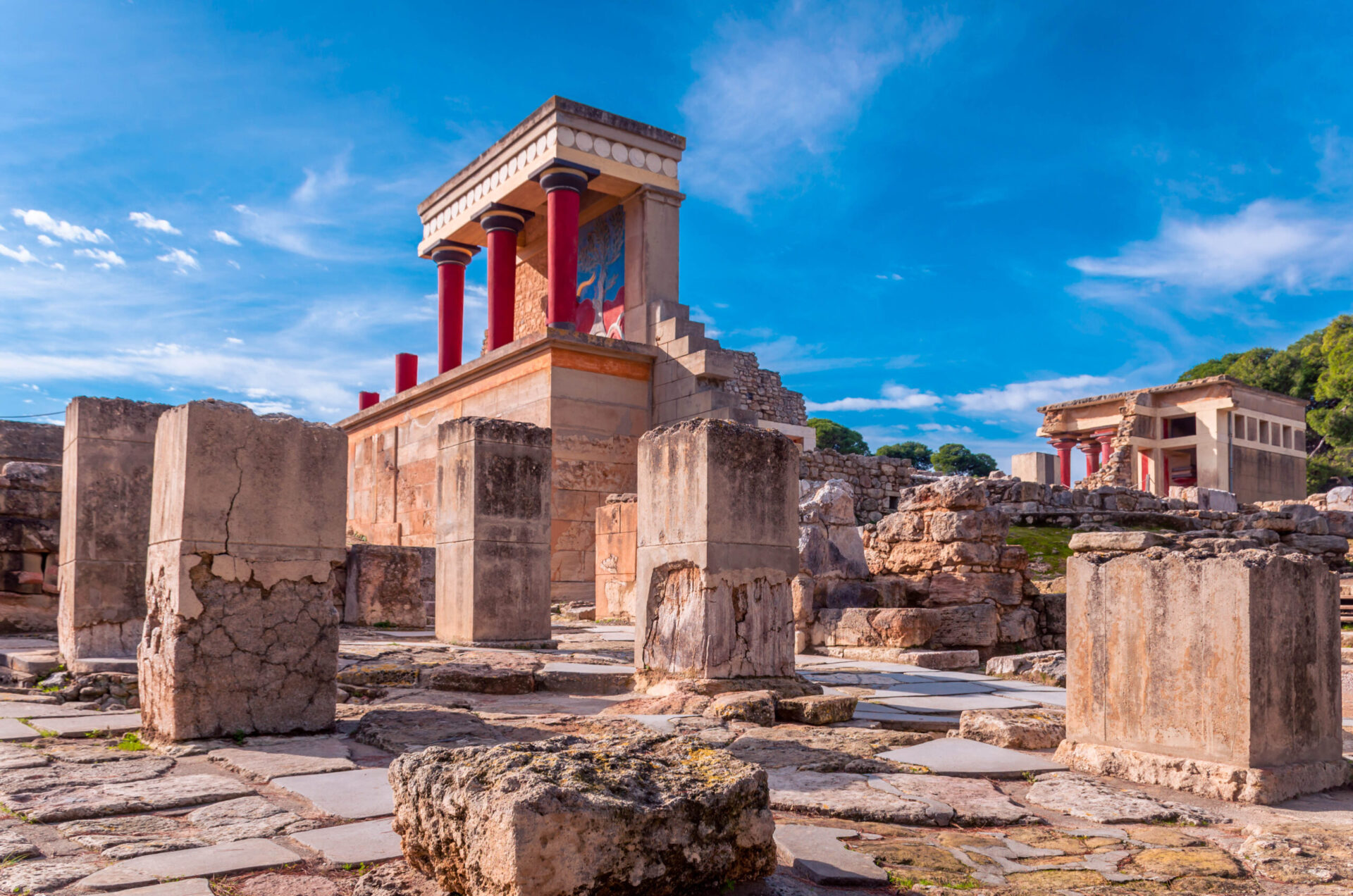
Crete offers expansive sandy stretches along its northern coast and iconic archaeological landmarks like the Palace of Knossos, which kids will love. However, famous lagoon beaches such as Balos or Elafonissi often entail lengthy car journeys and early departures that can test family patience during peak summer heat. Families considering Crete benefit from researching their base thoroughly and planning local activities in advance. Hersonissos is often the most practical area to stay, offering a wide stretch of beachfront resorts that bring sun, sea, pools, and family activities together in one place.
Rhodes simplifies multi-generational travel through accessible geography and sheltered coastlines. The island’s eastern shore, stretching from Faliraki and Kolymbia down to Kiotari, is protected from prevailing summer winds, offering calm, shallow waters ideal for children. Short airport transfers, pedestrian-friendly medieval ramparts that spark young imaginations, and luxurious family resorts in Rhodes, complete with dedicated waterparks and slides, ensure parents spend less time coordinating logistics and more time enjoying the water.

Culture, Gastronomy, and Island Character
Beyond logistics, each island expresses a distinct Mediterranean character through its historic eras, regional tables, and coastal atmosphere.
Crete: Minoan Roots, Mountain Tables, and Dramatic Shores
Crete’s identity feels elemental and deeply connected to its rugged interior. Its heritage reaches back to Europe’s earliest civilization through Bronze Age Minoan palaces and Venetian port fortresses, while its culinary culture celebrates indigenous wine varieties, wild mountain herbs, aged graviera cheese, crisp barley rusks, and local raki shared generously in village tavernas. Along the coast, the island rewards exploration with dramatic, windswept shorelines and secluded coves framed by steep gorges.
Rhodes: Medieval Grandeur, Aegean Flavours, and Sunlit Horizons
Rhodes reflects a refined blend of medieval architecture and Dodecanese warmth. Centuries of Knights Hospitaller fortifications and ancient Doric acropolises give the island a monumental visual backdrop, complemented by a table highlighting fresh Aegean seafood, slow-cooked chickpea stews, crisp indigenous Athiri white wines, and traditional melekouni honey-sesame treats. Along the water, the coastal atmosphere is defined by crystalline pebble bays, pine-fringed coves, and warm, sun-drenched horizons.

Frequently Asked Questions
Which island is easier to explore without renting a car?
Rhodes is significantly easier to navigate without a rental vehicle. Frequent coastal buses connect Rhodes Town with Lindos, Faliraki, and southern resort areas, while short taxi rides bridge key landmarks. In Crete, vast distances between cities and remote southern beaches make renting a car almost essential.
Which island enjoys warmer weather in the shoulder seasons?
Sitting further southeast in the Aegean, Rhodes boasts one of the highest annual sunshine counts in Greece, often exceeding three hundred sunny days a year. Both islands offer pleasant conditions from May through October, though Rhodes tends to hold steady, gentle warmth well into late autumn.
Which island offers more dramatic hiking and mountain landscapes?
Crete takes the lead for travelers drawn to rugged wilderness and high-altitude trekking. Home to the White Mountains and the world-famous Samaria Gorge, the island offers an extensive network of dramatic canyon trails, remote highland plateaus, and wild southern coastal paths that reward active exploration.