National Archaeological Museum Athens
A First-Time Visitor’s Guide
Explore Greece’s premier antiquity vaults, iconic gold relics, and quiet courtyard pauses with this essential first-time visitor guide to the landmark museum.
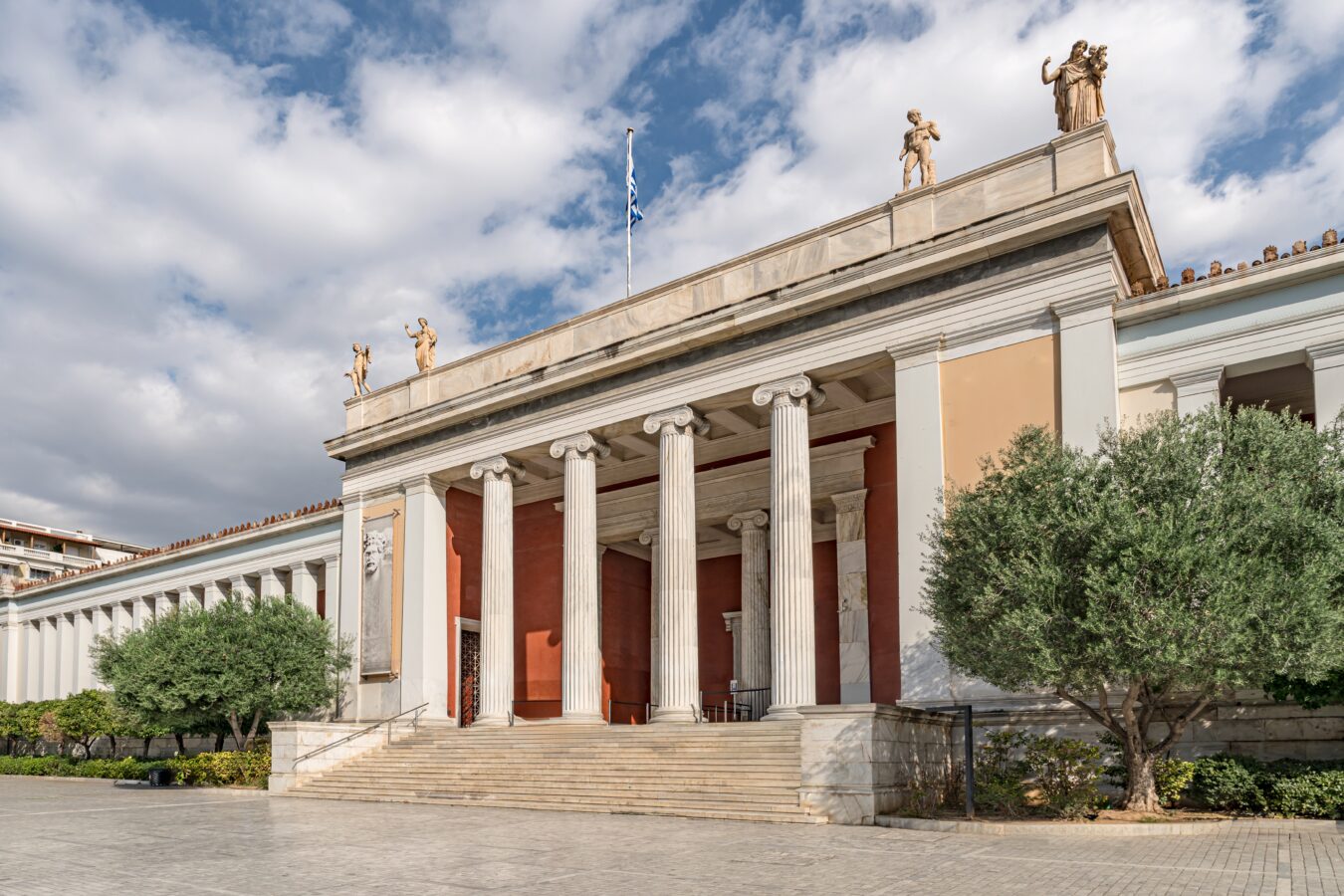
Standing before the imposing neoclassical facade on Patision Street (officially known as 28is Oktovriou), the persistent hum of central Athens recedes into a reverent, echoing calm. Rather than focusing strictly on the classical golden age of Attica, the museum gathers relics spanning thousands of years from every corner of the Greek world under one roof. Approaching the National Archaeological Museum of Athens with clear focus and an unhurried mindset allows first-time visitors to connect deeply with foundational human artistry without succumbing to museum fatigue.
Navigating the Cradle of Antiquity: National Archaeological Museum, Athens
Housing more than eleven thousand exhibits across vast ground-floor wings and upper galleries, Greece’s flagship repository of antiquities can easily overwhelm an unstructured visit. Approaching the collection chronologically and curating your focus around its most celebrated anchors ensures your time inside remains both enlightening and comfortable.
Iconic Masterpieces: What to Prioritize on Your First Visit
Attempting to inspect every display case across the museum’s extensive halls is nearly impossible in a single outing. As the foremost museum of ancient Greece, first-time visitors benefit most by focusing on the ground floor’s celebrated core, moving chronologically through the eras that defined classical antiquity.
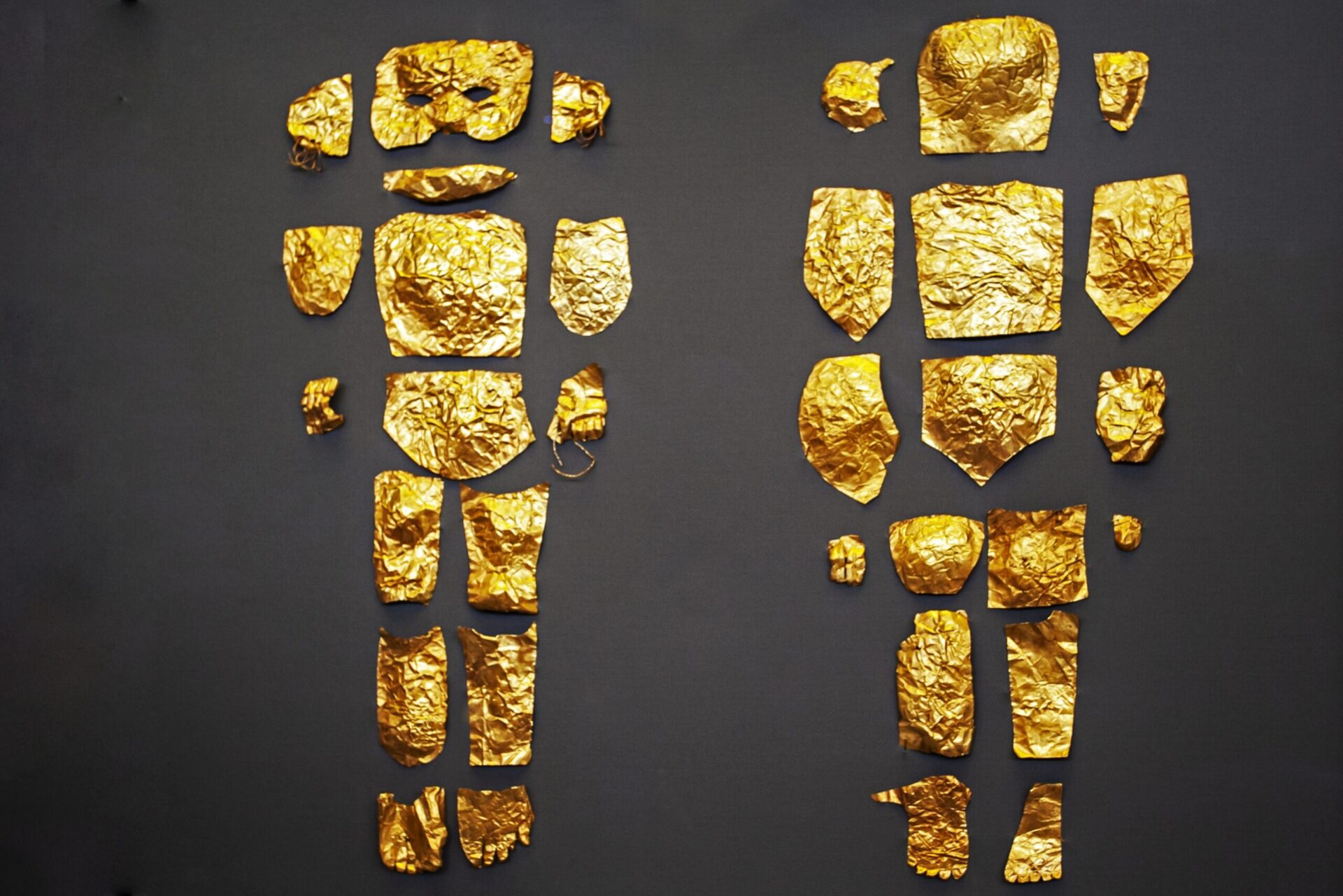
The Mycenaean Gold and Prehistoric Treasures
Directly facing the grand entrance hall, the Mycenaean Gallery holds the shimmering relics uncovered by Heinrich Schliemann at Mycenae. The centerpiece is the legendary golden funeral mask traditionally attributed to Agamemnon, rendered in beaten sheet gold with delicate, individualized facial features. Surrounding vitrines display inlaid bronze daggers, delicate signet rings depicting hunting scenes, and elaborate golden goblets that reveal the extraordinary sophistication of Bronze Age civilization.
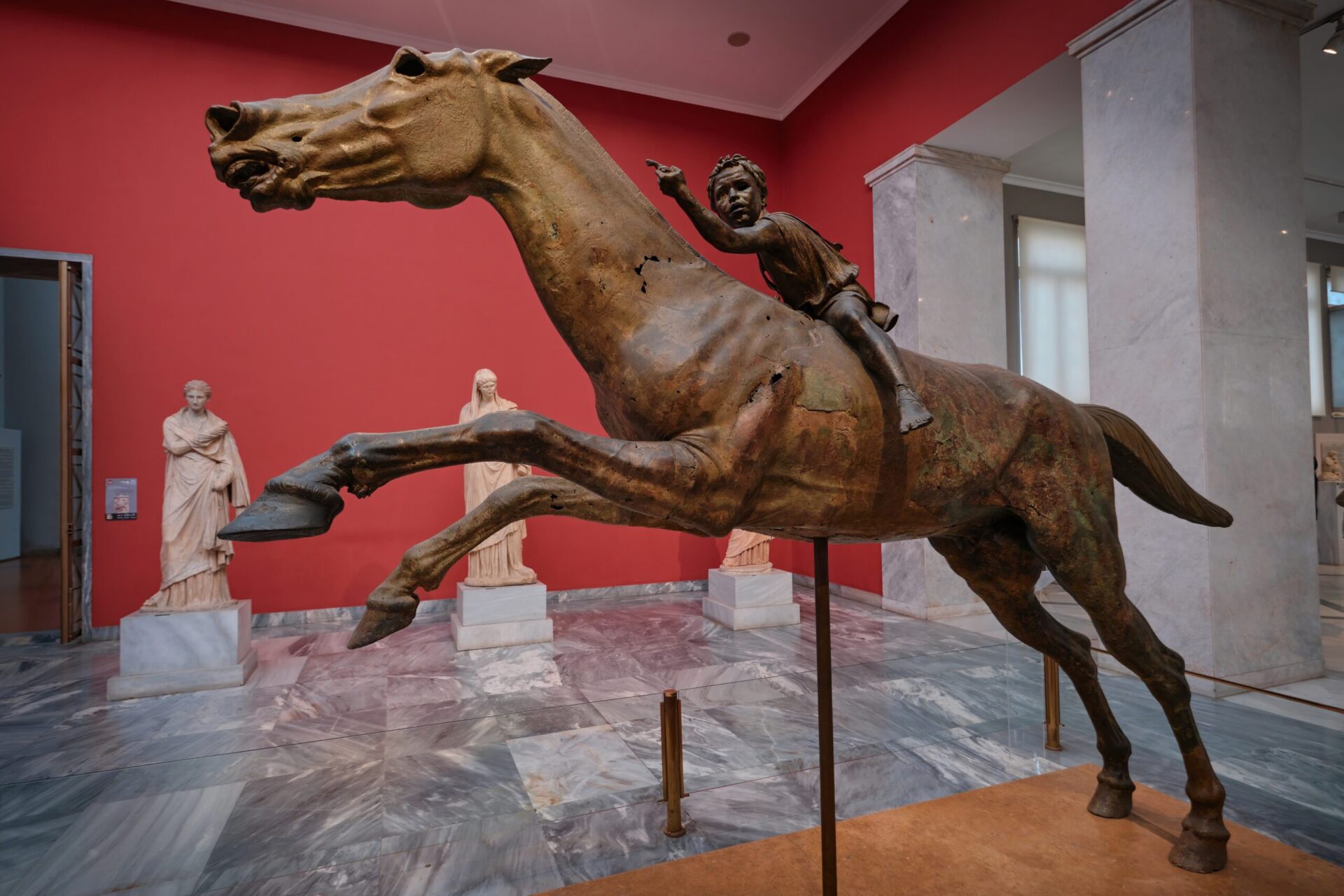
The Bronze Collection
Unlike marble statues, which were often preserved through Roman copies, large-scale Greek bronzes rarely survived the centuries without being melted down. Room 15 houses the magnificent Artemision Bronze, a monumental fifth-century BC statue recovered from an ancient shipwreck off Cape Artemision. Poised in balanced motion with arm outstretched to cast a trident or thunderbolt, it represents one of the pinnacle achievements of early classical sculpture. Nearby, the dynamic Artemision Jockey captures a diminutive boy galloping on a spirited racehorse, brimming with tension and kinetic realism.
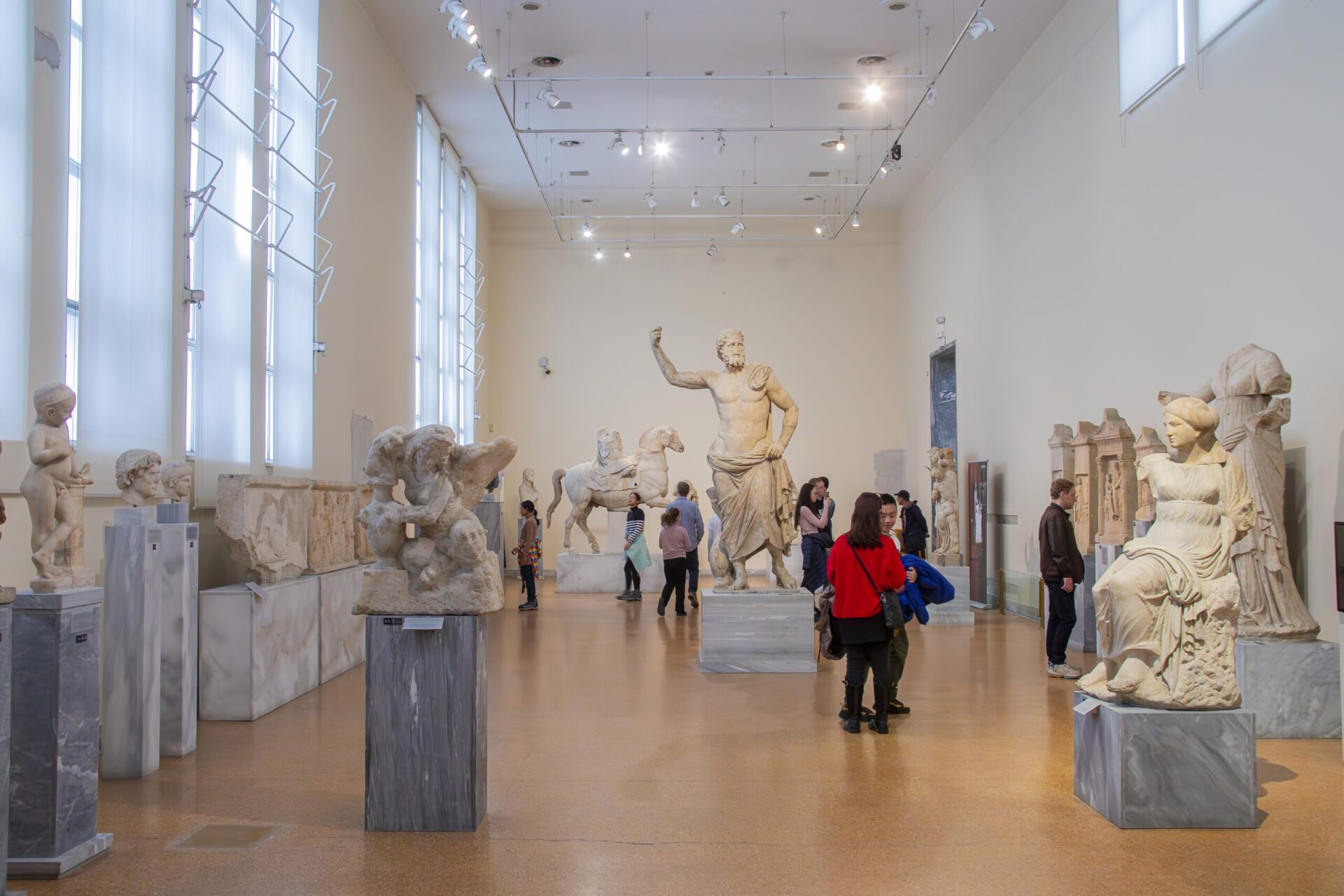
Archaic Kouroi and Classical Sculptures
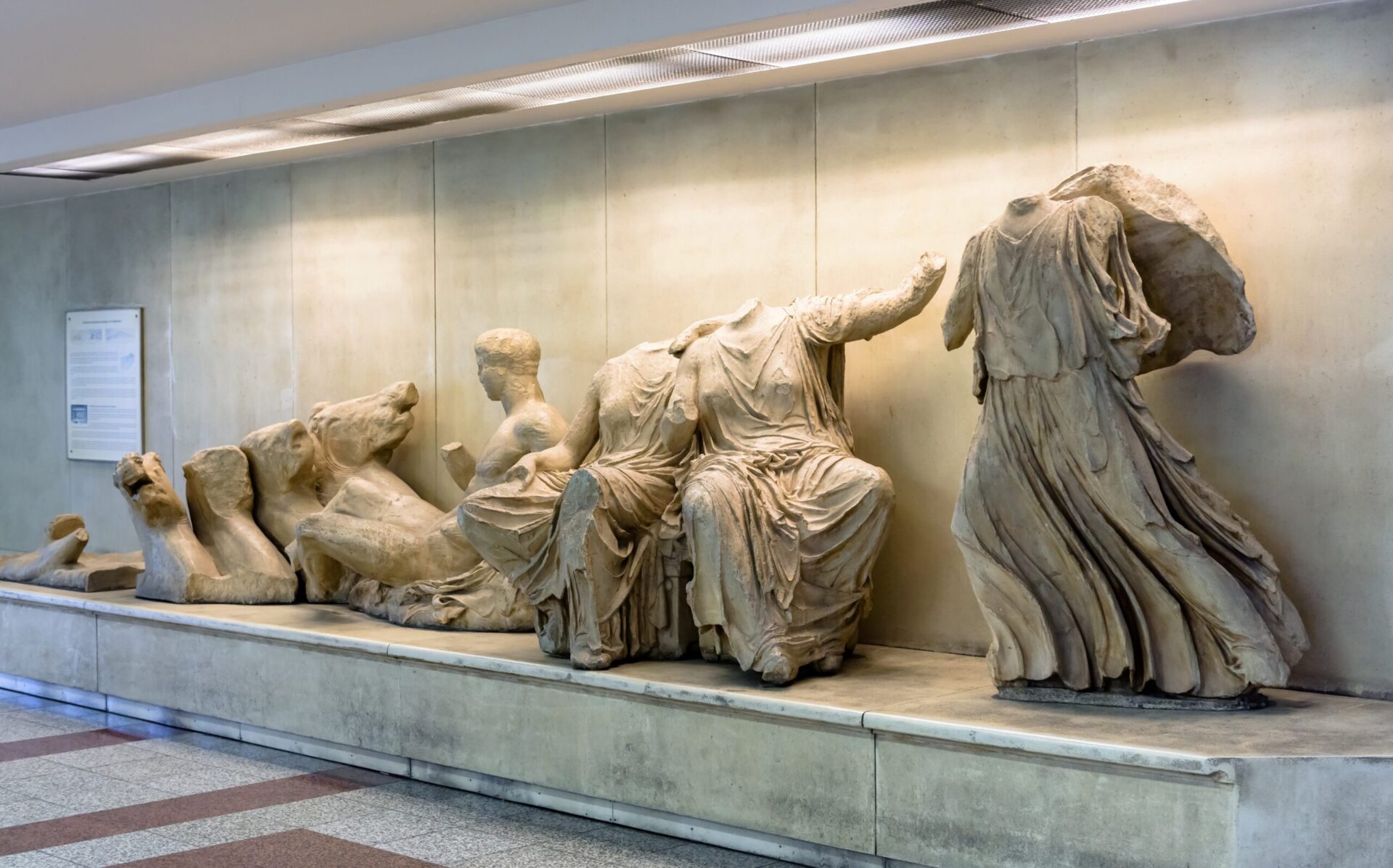
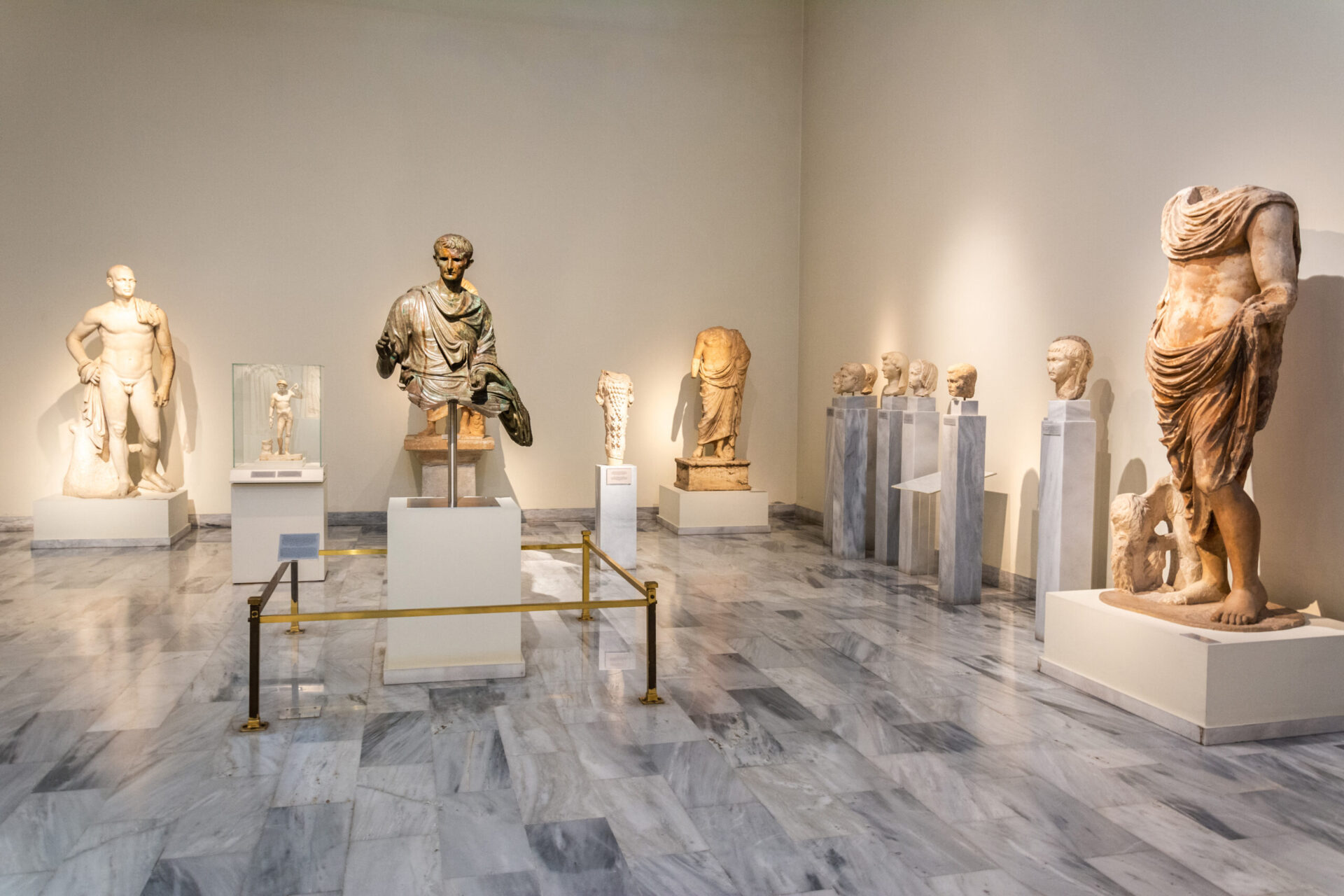
The sculpture galleries document the dramatic evolution of the human form in stone. Early Archaic Kouroi stand rigid with stylized braided hair and subtle Archaic smiles, bearing clear Egyptian influences. Moving through the adjoining rooms, marble figures gradually soften into realistic anatomical curves, culminating in classical funerary steles that capture quiet, poignant moments of ancient domestic parting. Encountering these commemorative reliefs indoors deepens your understanding when walking among the top historical sites in Athens, where similar monuments once marked the sacred ways of the ancient city.
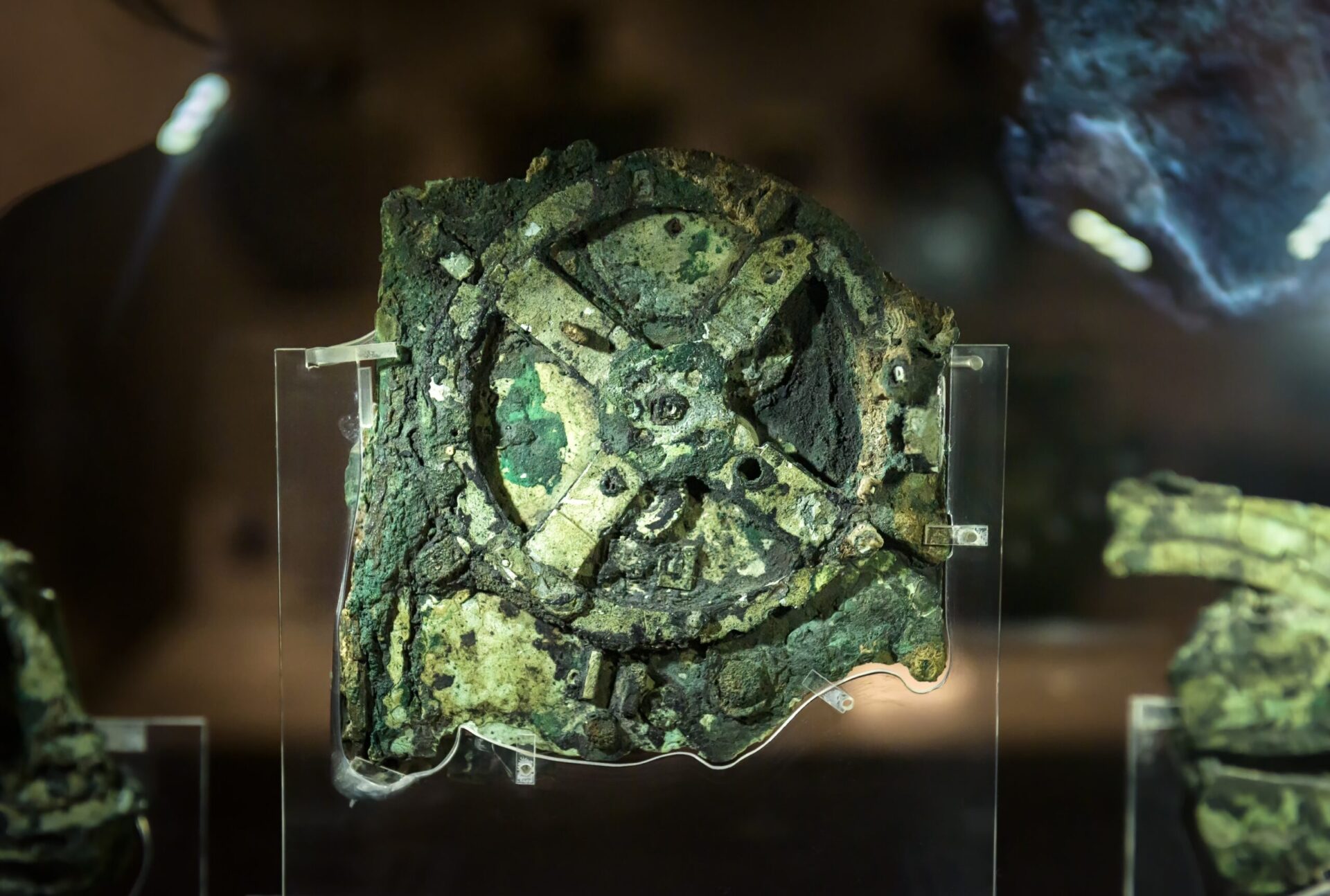
The Antikythera Mechanism
Tucked into the bronze galleries lies what many historians consider the world’s most astonishing ancient artifact: the Antikythera Mechanism. Recovered from a first-century BC shipwreck, this complex, corroded system of bronze gearwheels formed an ancient analog astronomical computer used to calculate celestial cycles and eclipses with baffling mechanical accuracy.
Planning Your Time: Realistic Duration and Gallery Strategy
A thoroughly rewarding first visit requires between two and three hours. Pacing your exploration with intention prevents the sensory exhaustion that often accompanies vast historical collections.
Optimal Visiting Windows: Arrive either right at opening in the morning or during the mid-afternoon lull. The central halls thin out considerably after lunchtime, allowing you to stand before the Artemision Bronze or the Mycenaean gold in peaceful contemplation.
The Internal Courtyard Pause: When your attention begins to drift, step into the museum’s sheltered atrium garden café. Filled with native olive trees, fragrant lavender bushes, and classical replica sculptures, it offers a tranquil open-air oasis to enjoy a coffee and gather your thoughts between gallery wings.
Beyond the Citadel: Understanding Athens Greece Museums
While the Acropolis Museum specifically celebrates the architectural and sculptural narrative of the sacred rock, this landmark on 28is Oktovriou Street functions on a Pan-Hellenic scale. It gathers essential archaeological discoveries from Santorini, Thessaly, Crete, and the Peloponnese, providing the panoramic historical foundation that grounds every other monument in the capital. Exploring this monumental institution enriches a broader itinerary of cultural experiences in Athens, contextualizing how regional craftsmanship, island trade, and civic philosophy converged to shape classical Greek identity.
Practical Visitor Details: Tickets and Hours
Planning ahead ensures an effortless entrance, particularly during peak travel periods:
Ticketing: Single-entry tickets can be purchased at the outdoor ticket kiosk or reserved online in advance to bypass morning lines. Reduced admission fees apply during the winter off-season from November through March.
Seasonal Hours: Operating hours adjust seasonally, with extended daylight schedules during the summer months and earlier afternoon closures throughout the winter. Always verify the current week’s timetable before setting out.
Visitor Etiquette: Non-flash photography without tripods is permitted throughout all permanent exhibitions. Large backpacks and umbrellas must be deposited in the cloakroom on the lower level upon arrival.
Access and Route: Getting There from Titania Hotel Athens
Positioned in the central downtown corridor along Panepistimiou, Titania Hotel Athens serves as an effortless starting point for reaching the museum on foot or via transit:
The Scenic Walking Route (10 to 12 Minutes):
Step out onto Panepistimiou and head northwest past the neoclassical architecture surrounding Omonoia Square. Turn right onto 28is Oktovriou (Patision Street) and walk directly up the wide pavement for five blocks. The museum’s grand neoclassical portico and shaded forecourt appear on your right, offering a completely flat, step-free walk.
By Metro:
Walk two minutes from the hotel to Omonoia Station and board the Green Line (Line 1) northbound for a single stop to Victoria Station. Exit toward Heiden Street and stroll three blocks east to the museum gates.