
The Best Winter City Breaks in Europe
Off-The-Beaten Track Urban Escapes
Winter uncovers a different side of Europe’s cities. Streets grow quieter, cultural spaces open up, and everyday life becomes easier to observe and enjoy.
For travellers searching for the best winter city breaks Europe has to offer, the season is less about escaping cold and more about choosing cities that remain alive, walkable, and rewarding when the crowds fade.
Rather than focusing on dates or weather alone, winter city travel is defined by atmosphere. The most memorable destinations are those where cafés stay open, neighbourhoods invite exploration, and culture continues naturally through the colder months. These great winter city breaks stand out because they offer depth, rhythm, and a sense of place that feels more accessible in winter than at any other time of year.
Best Winter City Breaks in Europe: Why European Cities Shine in Winter
Winter travel in Europe rewards curiosity. With fewer visitors and a slower pace, cities become more personal and more affordable. Museums and galleries feel unhurried, historic streets invite long walks, and daily rituals such as coffee, markets, and dining remain central to local life. Across the continent, and especially within European countries with mild winters, winter is not a pause but a quieter continuation of urban culture.
For Light, Outdoor Life, and Café Culture – Athens, Greece

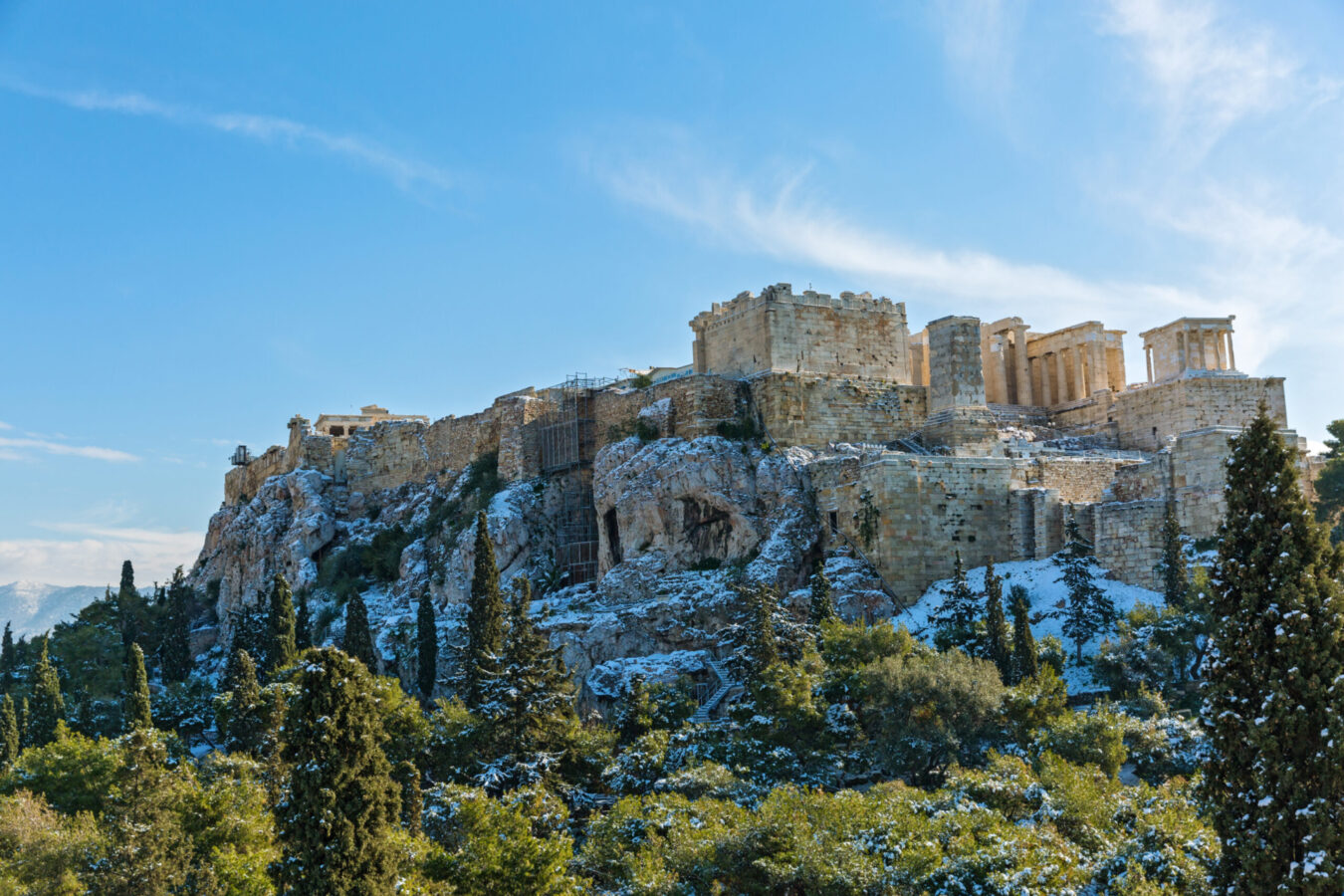
Athens sets the benchmark for winter city breaks that stay open to the outdoors. Mild days allow café terraces to remain part of everyday life, neighbourhoods unfold comfortably on foot, and ancient landmarks glow under soft winter light. The city balances history with a living, breathing rhythm that never fully retreats indoors.
This combination places Athens firmly among the best winter city breaks Europe has for travellers who want culture without confinement. Those exploring the capital during the colder months quickly understand why Athens as a top European winter city break continues to resonate with couples and families alike, and how naturally Athens in Winter blends urban energy with seasonal calm.
For Culture First Winter Escapes – Paris, France

Paris in winter invites immersion rather than movement. With fewer visitors, the city’s museums, architecture, and neighbourhoods reveal their quieter character. Winter becomes the ideal time to experience galleries, bookshops, and long lunches without pressure or queues.
Rather than spectacle, Paris offers depth. Its cultural density makes it one of the most rewarding great winter city breaks for travellers who value art, history, and refinement over seasonal displays.
For Festive Atmosphere and Winter Charm – Zagreb, Croatia

Zagreb’s winter appeal lies in intimacy. Historic streets, softly lit squares, and cafés filled with locals create a sense of warmth that feels genuine rather than staged. The city’s scale allows visitors to explore slowly, moving between neighbourhoods without rush.
Winter here is about atmosphere rather than headline attractions, which makes Zagreb a distinctive choice among the best winter city breaks Europe offers for travellers seeking charm shaped by everyday life.
For Value and Everyday European Life – Warsaw, Poland

Warsaw offers a compelling winter experience rooted in authenticity. Cultural venues remain active, cafés and restaurants hum with local energy, and neighbourhoods reveal how a modern European capital lives beyond peak travel seasons.
Strong value and fewer crowds make Warsaw an excellent option for travellers who want a city break that feels lived in rather than curated. It earns its place among Europe’s most satisfying great winter city breaks by offering depth, resilience, and a strong sense of local identity.
Choosing the Right Winter City Break For You
Each destination answers a different winter travel desire. Athens offers light and outdoor life, Paris invites cultural immersion, Zagreb delivers seasonal charm, and Warsaw reveals everyday European rhythm. Together, they show how varied winter travel can be across Europe.
For travellers planning broader seasonal journeys, this perspective complements wider inspiration found in best places to travel in January, where winter destinations are explored through a global and experiential lens.
Winter City Travel Without the Rush
Travellers planning a winter escape may also find inspiration in our guide to the best city breaks in January in Europe, which explores additional destinations shaped by seasonality, pace, and urban character.
What defines the most memorable winter city breaks is not temperature alone, but atmosphere. Cities that remain walkable, social, and culturally rich offer something rare in winter: space to observe, engage, and enjoy without distraction. These destinations prove that winter is not a compromise, but a refined way to experience Europe’s urban soul.

FAQs: Winter City Breaks in Europe
How do I choose among Europe’s great winter city breaks?
Choosing among Europe’s great winter city breaks depends on how you like to travel during the colder months. Couples often gravitate towards cities with atmosphere, culture, and memorable dining, while solo travellers enjoy destinations where café culture and everyday city life continue year-round. Families tend to prefer compact, walkable cities with mild weather and quieter attractions. Short winter breaks suit cities with concentrated highlights, while longer stays reward destinations with a slower local rhythm.
What makes any city one of the best winter city breaks in Europe?
The best winter city breaks are places where life does not retreat indoors. Mild temperatures, walkable neighbourhoods, cultural venues, and active local scenes allow travellers to explore comfortably without crowds. Cities that balance history, daily rituals, and seasonal atmosphere tend to offer the most rewarding winter experiences.
Is winter a good time to visit European cities?
Yes. Winter is often one of the most enjoyable times to visit European cities. Fewer visitors, better value, and a calmer pace allow travellers to experience destinations more authentically. Museums feel unhurried, neighbourhoods are easier to explore, and cities reveal their character through everyday life rather than peak season spectacle.