Apolakkia Dam in Rhodes
Birdwatching & Wildlife in a Protected Wetland
Discover an unexpected freshwater ecosystem in South Rhodes, where pine covered hills, quiet reed beds, and protected birdlife reveal one of the island’s most peaceful natural landscapes.
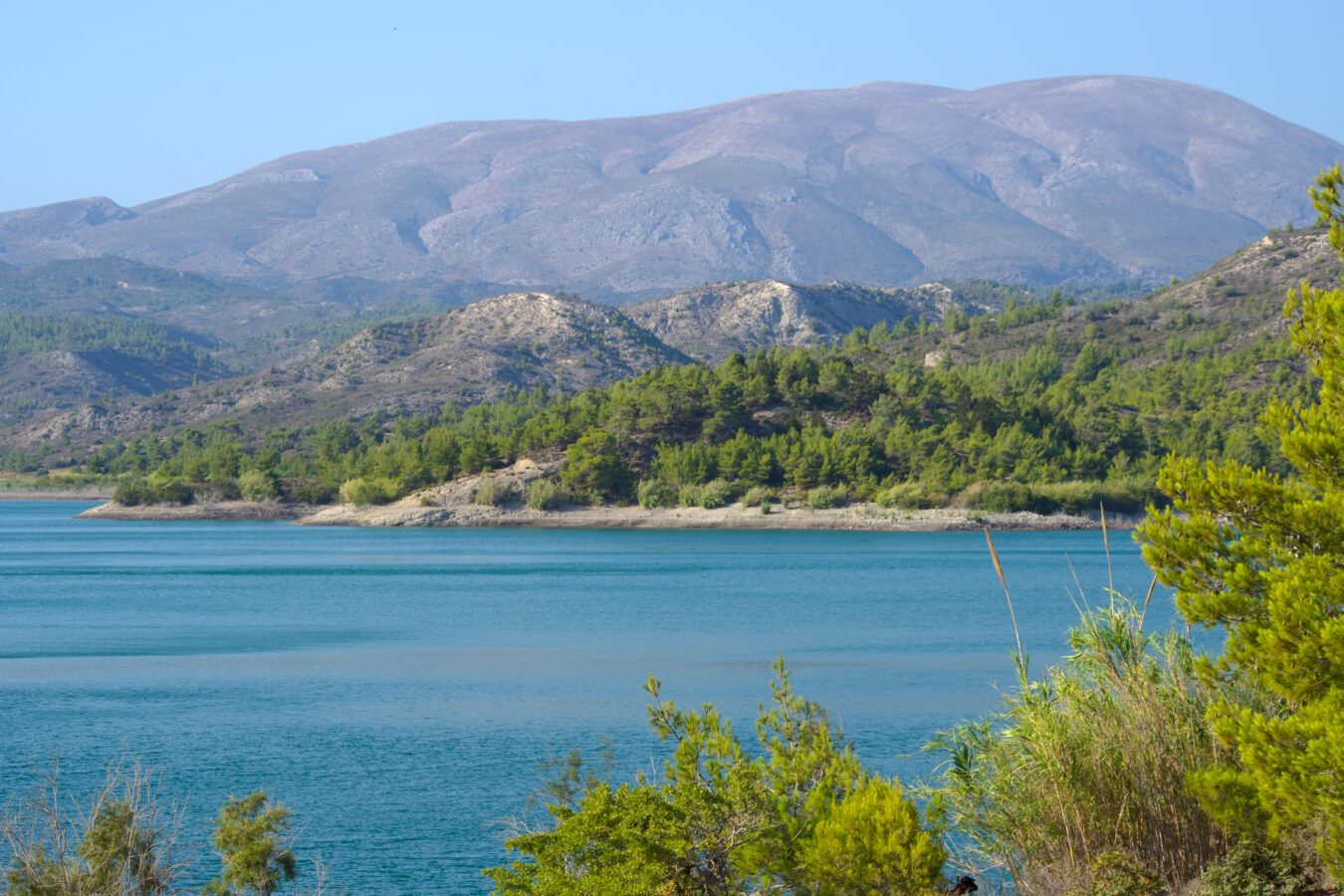
Most travellers associate Rhodes with medieval fortifications, sun-drenched beaches, and ancient archaeological sites. Few expect to discover a protected freshwater wetland in one of the driest parts of the Dodecanese. Located in a quiet inland basin on the island’s southern side, Apolakkia Dam offers a striking contrast to the surrounding Mediterranean landscape. For visitors exploring South Rhodes, spending a morning here reveals a different rhythm of island life, one measured by reeds swaying gently across the water, birdsong echoing through the trees, and the first light catching the surrounding pine-covered hills.
This quieter side of the island rewards those willing to step away from the coastline. Exploring Rhodes nature reveals an ecological sanctuary that feels worlds apart from the busy beaches, reminding visitors that some of the island’s most memorable experiences are found not through constant activity, but through slowing down and paying attention.
Discovering Apolakkia Dam: A Protected Haven for Wildlife & Birdwatching
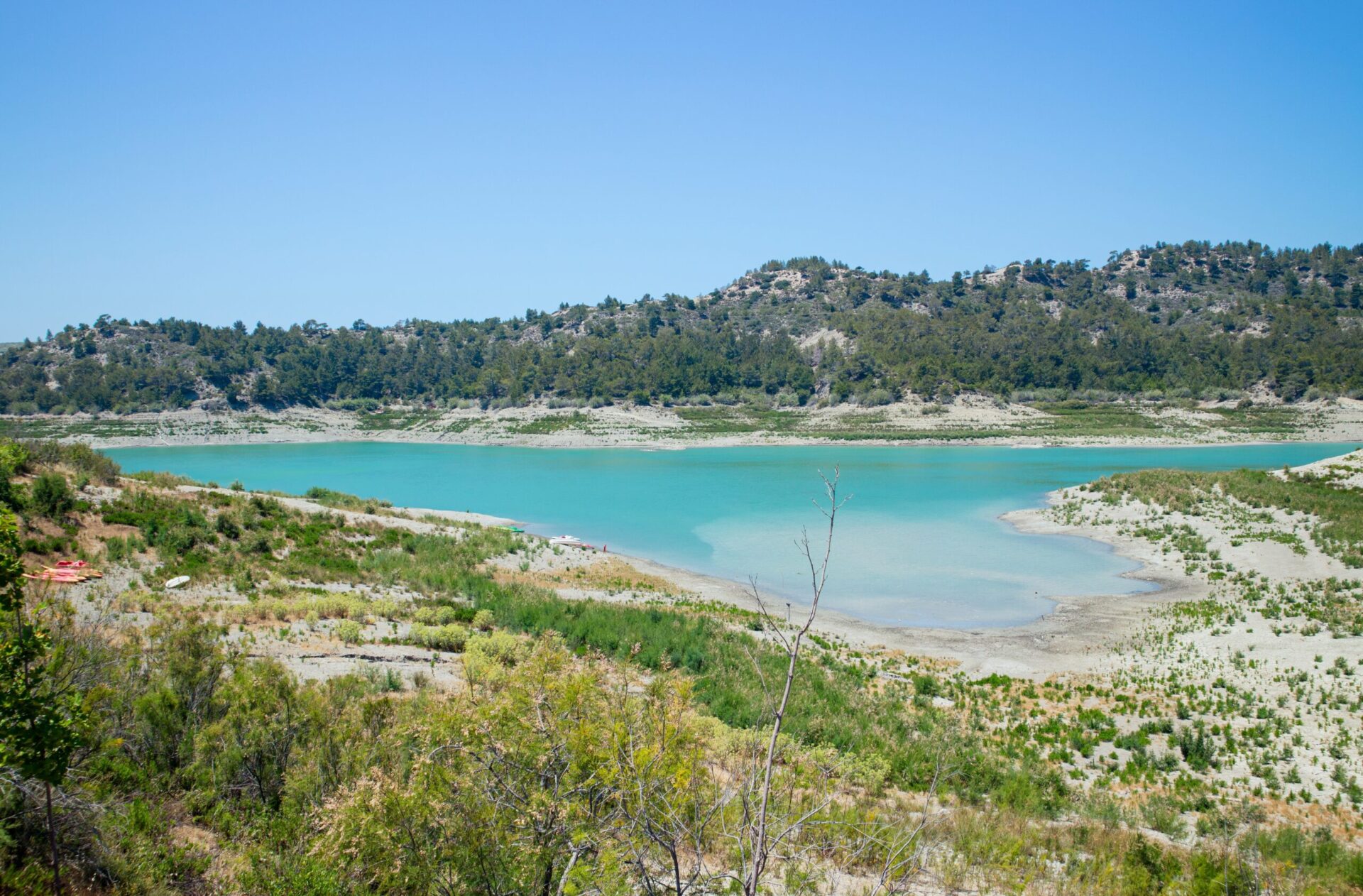
Created as an agricultural reservoir to collect freshwater from the surrounding hills, Apolakkia Dam has gradually evolved into one of Rhodes’ most important freshwater habitats. What began as a practical engineering project now supports a thriving ecosystem. The reservoir, often referred to as Apolakkia Lake, is surrounded by reeds, tamarisk trees, poplars, and Mediterranean pine woodland, creating conditions that support an extraordinary variety of wildlife.
Its importance extends well beyond Rhodes itself. For migratory birds travelling between Europe and Africa, the reservoir provides an essential place to rest, feed, and recover before continuing their journey across the Mediterranean. It is this remarkable transformation, from man made reservoir to flourishing wildlife refuge, that makes Apolakkia one of the island’s most fascinating examples of nature adapting over time.
An Ecological Refuge: Natura 2000 and 61 Protected Species
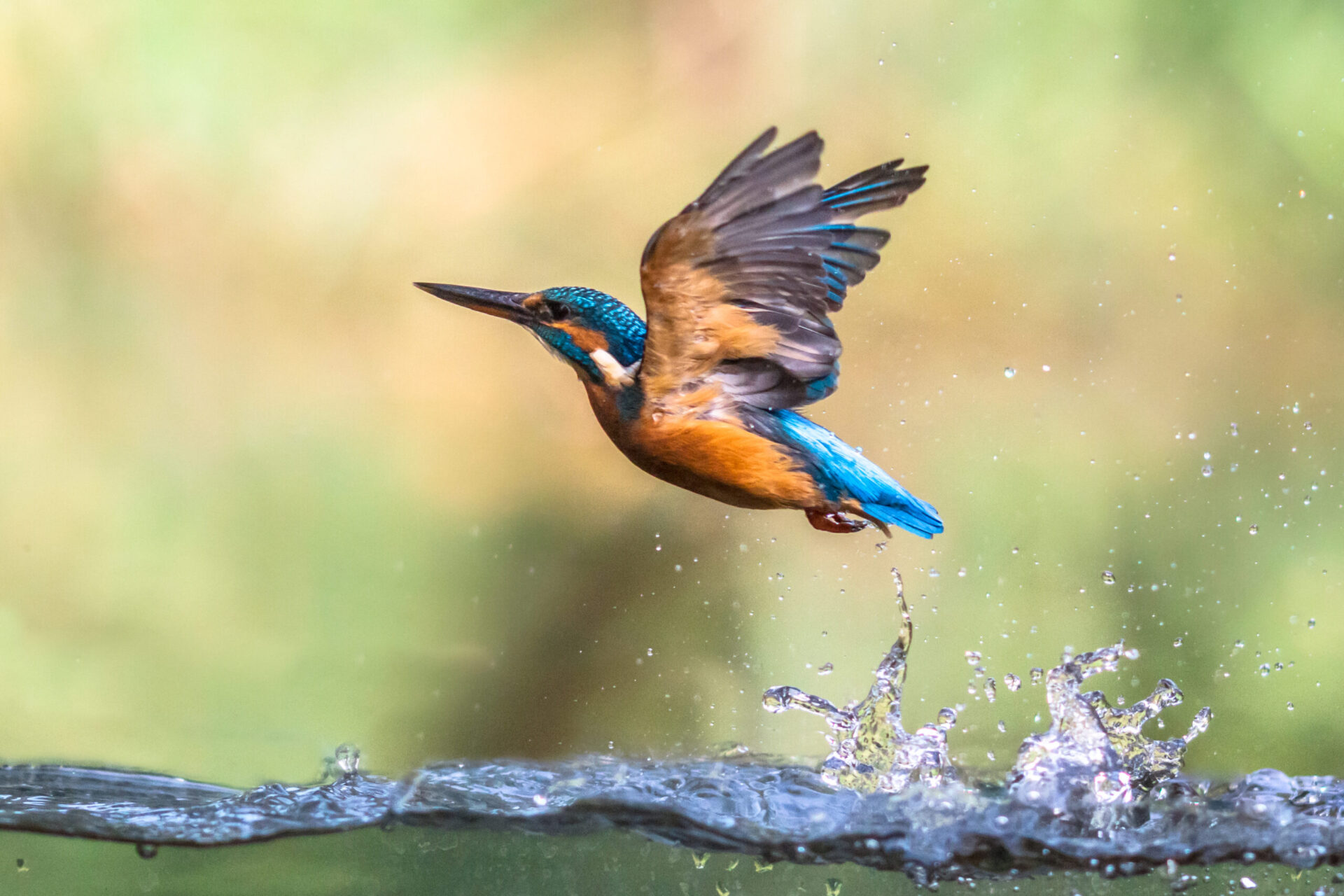
The ecological importance of Apolakkia Lake extends far beyond its tranquil setting. At the heart of the reservoir lies a designated Natura 2000 Rhodes Special Protection Area, recognised for supporting one of Rhodes’ most valuable freshwater habitats. The wetland provides refuge for 61 protected bird species, making it one of the island’s most rewarding destinations for birdwatching in Rhodes and anyone with an interest in the natural world.
Rather than trying to identify every species, slow down and observe how the wetland comes to life. A flash of electric blue often signals a kingfisher darting low across the water before disappearing into the reeds. Grey herons and little egrets stand patiently along the shoreline, barely moving as they wait for fish in the shallows. During spring and autumn migration, fortunate visitors may catch sight of an osprey circling overhead before diving towards the reservoir, while wading birds quietly forage along the muddy edges as they pause on their remarkable journeys between continents.
The changing seasons ensure that no two visits feel exactly the same. Water levels, migration patterns, and shifting light continually reshape the landscape, rewarding those who return throughout the year. Whether you arrive with binoculars, a camera, or simply an appreciation for quiet places, the experience is less about ticking species off a list and more about observing a protected ecosystem at its own pace.
Curating Your Experience: Early Mornings, Photography, and Trails
Like many of Rhodes’ most peaceful landscapes, Apolakkia Dam rewards visitors who slow down rather than rush through. Early mornings are especially atmospheric, when the water is at its calmest, bird activity is at its highest, and the surrounding hills are bathed in soft golden light.
Best for photographers and birdwatchers
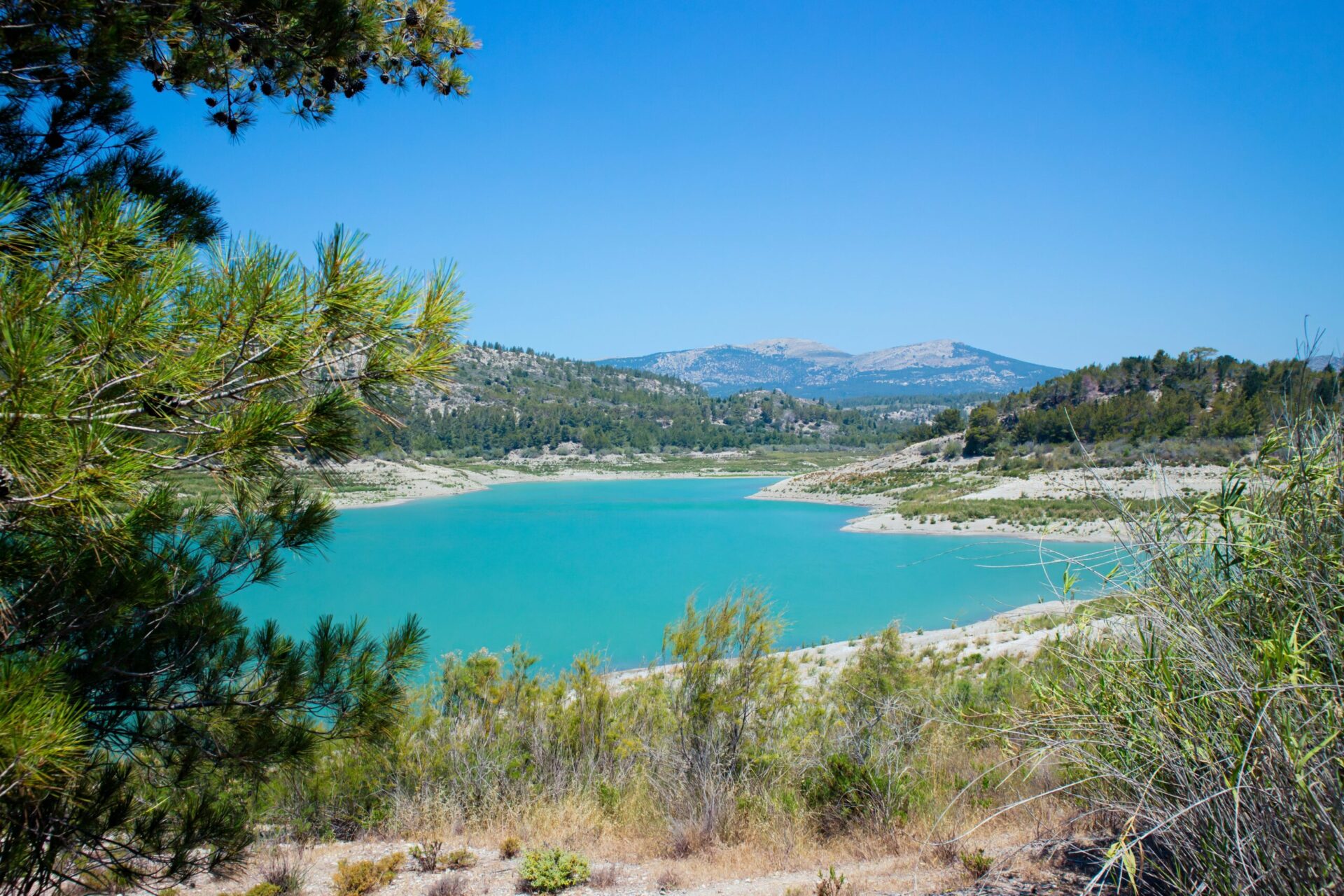
Arrive shortly after sunrise to make the most of the gentle morning light. A telephoto lens or a compact pair of binoculars will allow you to observe birds from a respectful distance without disturbing their natural behaviour. Even amateur photographers will appreciate how the reflections across the still water change as the sun rises above the surrounding hills.
Best for walkers and quiet exploration
Unpaved tracks around the southern perimeter of the reservoir invite a slower pace. As you walk beneath Mediterranean pines, the scent of wild thyme, sage, and warm resin drifts through the air, while open clearings reveal uninterrupted views across the water toward the rolling hills of South Rhodes. It is a landscape that encourages observation rather than destination-driven walking.
Best for families and nature lovers
For families, the wetland offers an opportunity to introduce children to a different side of Rhodes. Watching birds from the shoreline, spotting dragonflies above the reeds, or simply listening to the sounds of the landscape creates a gentle, engaging experience that contrasts beautifully with the island’s beaches and archaeological sites.
Exploring South Rhodes: Combining Nature with Village Life
One of the pleasures of visiting Apolakkia Dam is that it naturally encourages a slower exploration of South Rhodes. Rather than treating the reservoir as a standalone attraction, consider making it the beginning of a day spent discovering the island’s quieter inland landscapes and traditional villages.
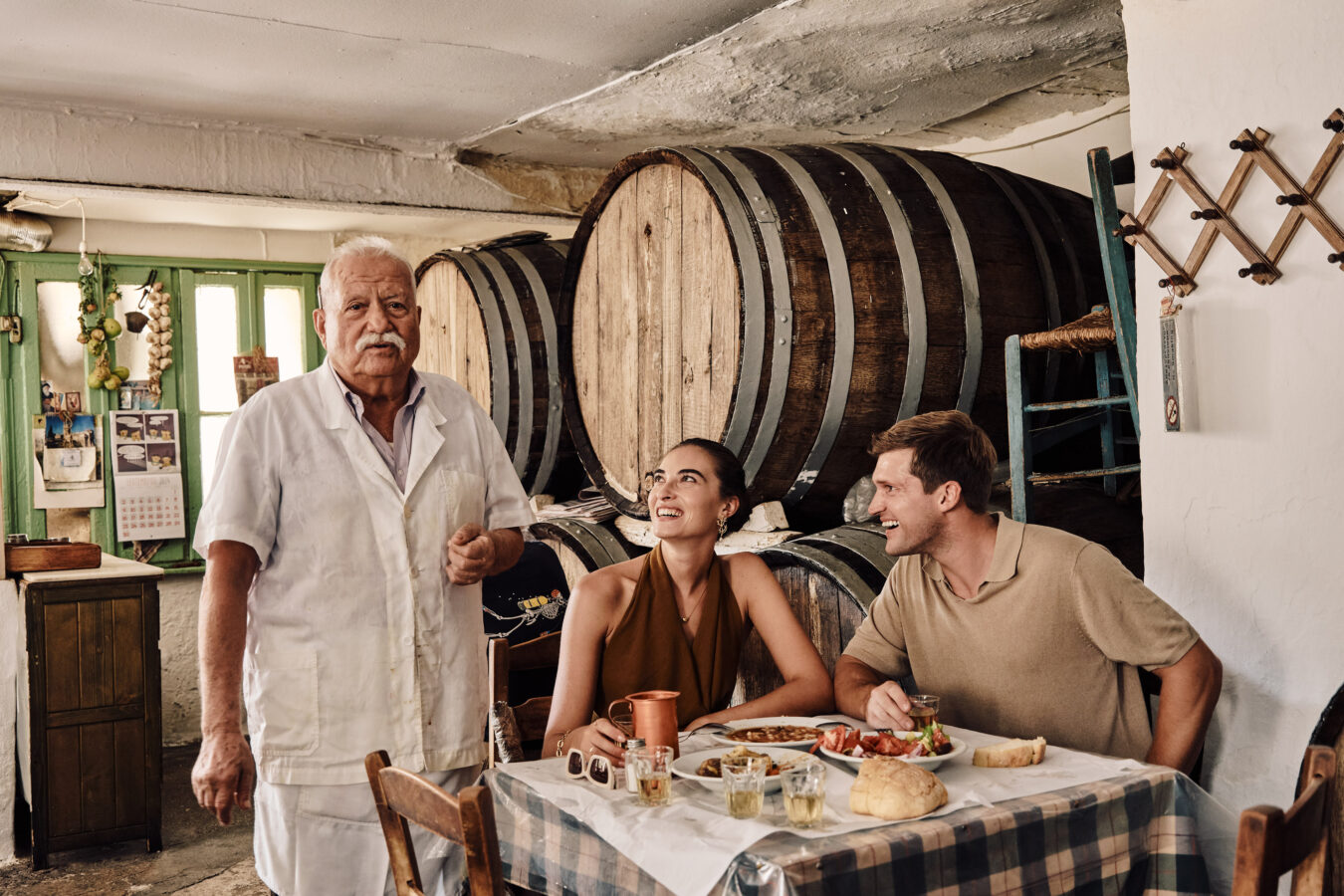
After a peaceful morning by the lake, continue to the village of Apolakkia, where everyday life still unfolds at an unhurried pace beneath the shade of plane trees. Pause for lunch at a local taverna and enjoy regional dishes prepared with seasonal ingredients, locally produced olive oil, and aromatic herbs gathered from the surrounding hills. It is a simple experience, but one that reflects the authentic character of the island just as much as its famous landmarks.
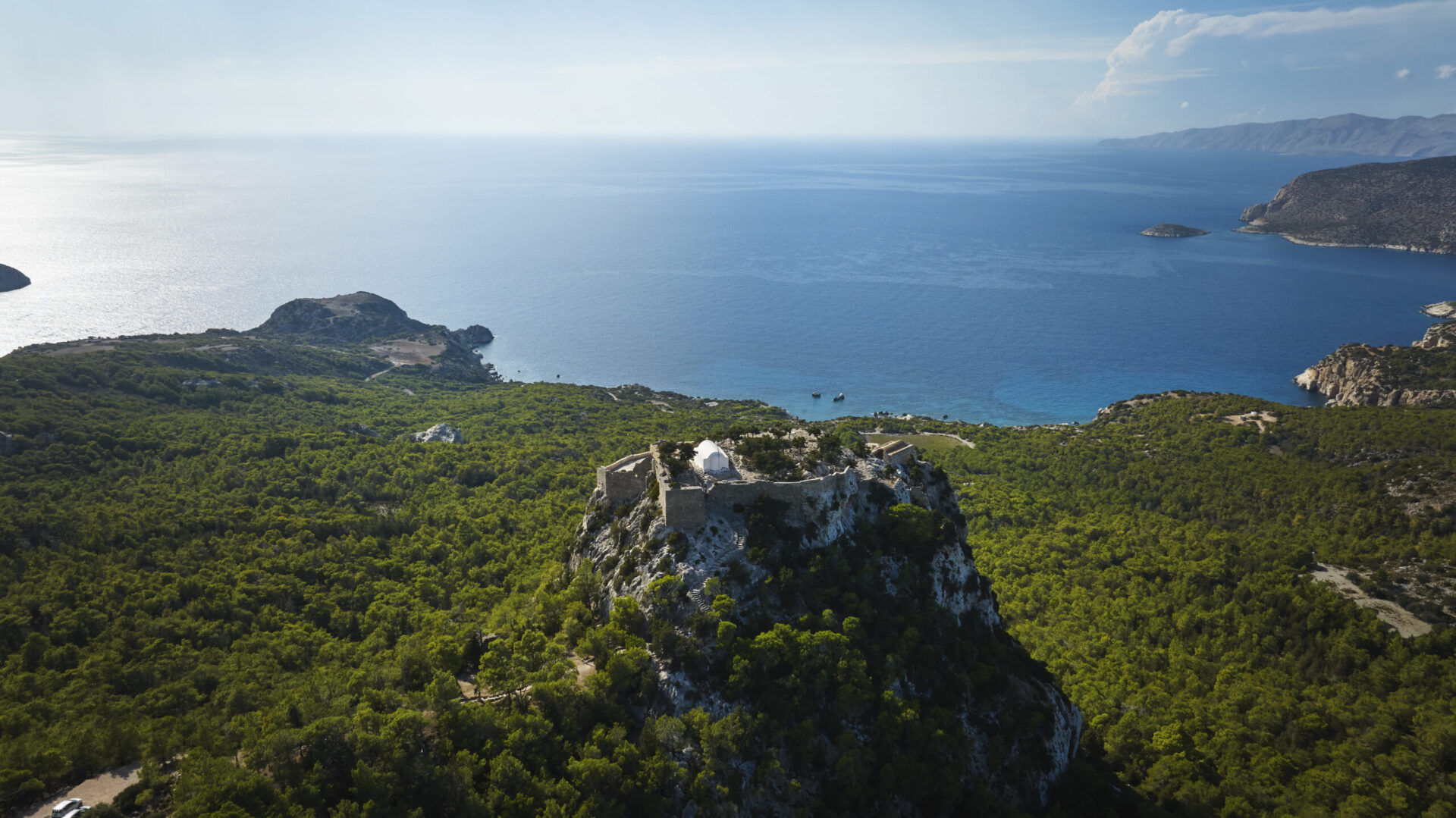
If time allows, continue west towards Monolithos Castle, where medieval walls rise dramatically above the Aegean on one of Rhodes’ most spectacular natural viewpoints. The journey itself is part of the experience, winding through forests, rolling hills, and quiet villages before opening onto sweeping coastal panoramas. Visitors interested in exploring more of this side of the island can also discover additional hidden gems in Rhodes, where nature, history, and local traditions combine to reveal a very different perspective of the destination.
By combining the peaceful atmosphere of Apolakkia Lake with the mountain villages and historic landscapes of western Rhodes, the day becomes far more than a wildlife excursion. It becomes an opportunity to experience the quieter rhythm that continues to define much of the island beyond its better-known resorts.
Practical Guidance for Your Visit
A little planning allows you to enjoy the wetland at its very best while helping to protect this important natural habitat.
Best time to visit
Spring and early autumn are the most rewarding seasons for birdlife, as many migratory species stop at the reservoir during their journeys between Europe and Africa. During summer, early morning offers the most comfortable temperatures and the greatest wildlife activity before the day warms up.
How long to allow
Plan to spend one to two hours exploring the area at an unhurried pace. This allows time to walk sections of the shoreline, observe the wildlife, enjoy the changing scenery, and simply pause to appreciate the peaceful surroundings.
What to bring
Comfortable walking shoes, drinking water, sun protection, and a pair of binoculars are recommended. While binoculars are by no means essential, they greatly enrich the experience by allowing you to observe birdlife without disturbing the habitat.
Visiting Responsibly
As part of the Natura 2000 network, the wetland deserves careful stewardship. Remain on existing paths, avoid disturbing nesting or feeding areas, and take all litter away with you so future visitors can enjoy the same peaceful environment.
Getting There
The reservoir is easily reached by car and lies only a few minutes inland from Apolakkia village, making it an easy addition to a broader day exploring South Rhodes nature.
Some of Rhodes’ most memorable experiences are not always found at its busiest beaches or most celebrated monuments. At Apolakkia Dam, the reward comes from slowing your pace, watching nature unfold in its own time, and discovering a landscape that many visitors never realise exists.
Long after the birds have disappeared into the reeds and the morning mist has lifted from the water, it is often this quiet sense of connection with the island that stays with you. In revealing a different side of Rhodes, Apolakkia reminds us that sometimes the most rewarding journeys begin simply by choosing the slower road.